.webp)



Nature-centric living can make a home feel more peaceful by bringing together natural light, greenery, fresh-air ventilation, open spaces and views of nature. These elements can reduce visual and sensory stress while creating a stronger connection with the outdoors, helping residents experience a calmer, more comfortable and restorative living environment.
The home is not only a source of shelter; it has to be the one place in which one can relax after an exhausting day, spend time with family, and be able to get some alone time in this fast-paced life. However, in the urban world, homes that have good finishing and enough space seem to be far from nature. The density of buildings, the lack of free space, and constant bustle make it impossible.
This is precisely the reason why nature-centric living has become a crucial factor for the current generation of homeowners. It is no longer the case that nature is just one of the additional amenities in the development. Well-thought-out communities have begun to appreciate the value of nature and place it at the heart of their experience. It all starts with landscape, light, air, and everything else that contributes to constructing homes that make us feel comfortable, happy and connected to our surroundings.
Human beings have always had a close association with nature. Even in the most urbanised environment, most people prefer the company of parks, lakes, gardens, and green walks whenever they want to de-stress. There have been many studies conducted by scientists that have proved that nature helps in reducing stress and encourages physical activity.
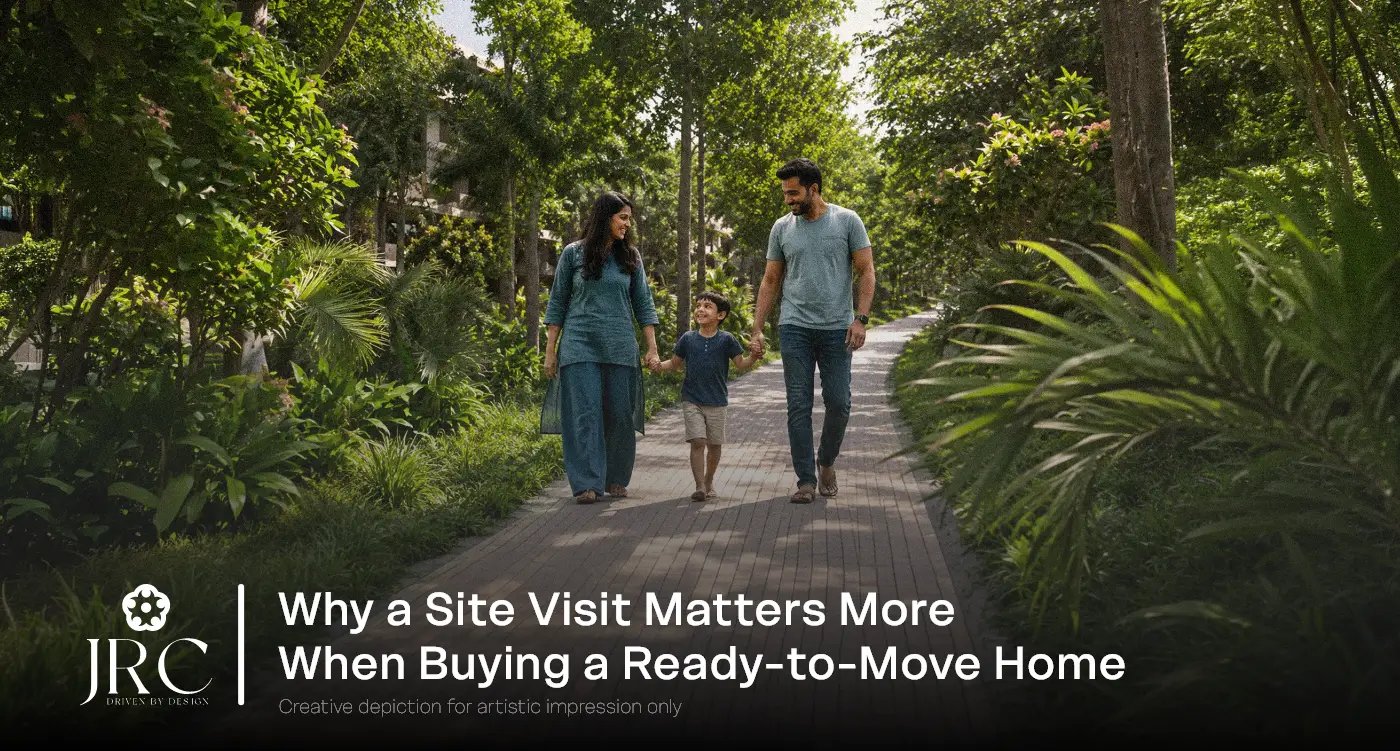
Nature-centric living principles understand this relationship through the construction of homes where nature becomes a part of daily life, rather than something that is experienced once outside the city. Instead of going to places outside the city for greenery, people live amidst nature as an inherent part of their lives.
Peaceful home environment creation in one's home begins way before the actual building design and development takes place. The neighbourhood, landscape, orientation of the structure, and other community planning factors come into play.
These changes, including the preservation of the mature trees, provision of plenty of open spaces, and the elimination of unneeded congestion, will result in a more tranquil environment. Greater spacing of buildings is good not only for light and ventilation but also for the residents' privacy and openness.
If properly designed, such an environment becomes an extension of the home rather than just a view from the window.
Natural lighting and ventilation are some of the most essential components in building a healthy home design.
Properly situated windows can help light enter living areas through natural sunlight, making use of less lighting and helping the interiors become more vibrant. Proper ventilation will also contribute to the overall comfort of the indoor environment, as well as help with the circulation of air.
When houses are constructed using this approach, they tend to be more comfortable since they depend on the local weather conditions as opposed to depending solely on machines.
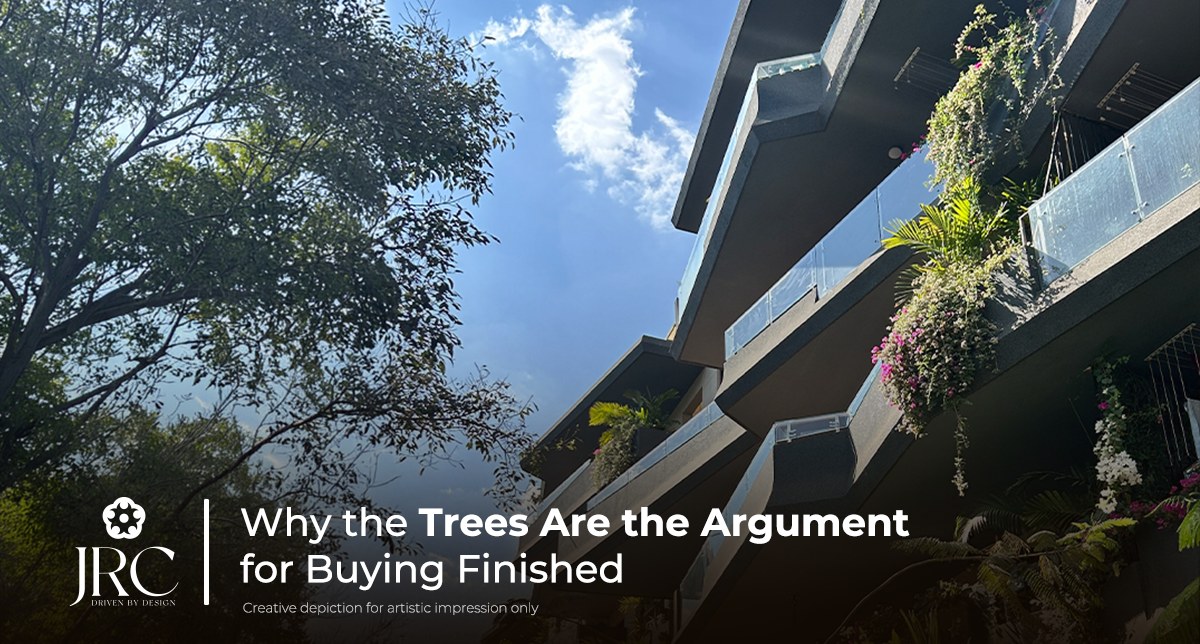
There is a noticeable difference between looking out at another concrete building and overlooking mature trees or landscaped open spaces.
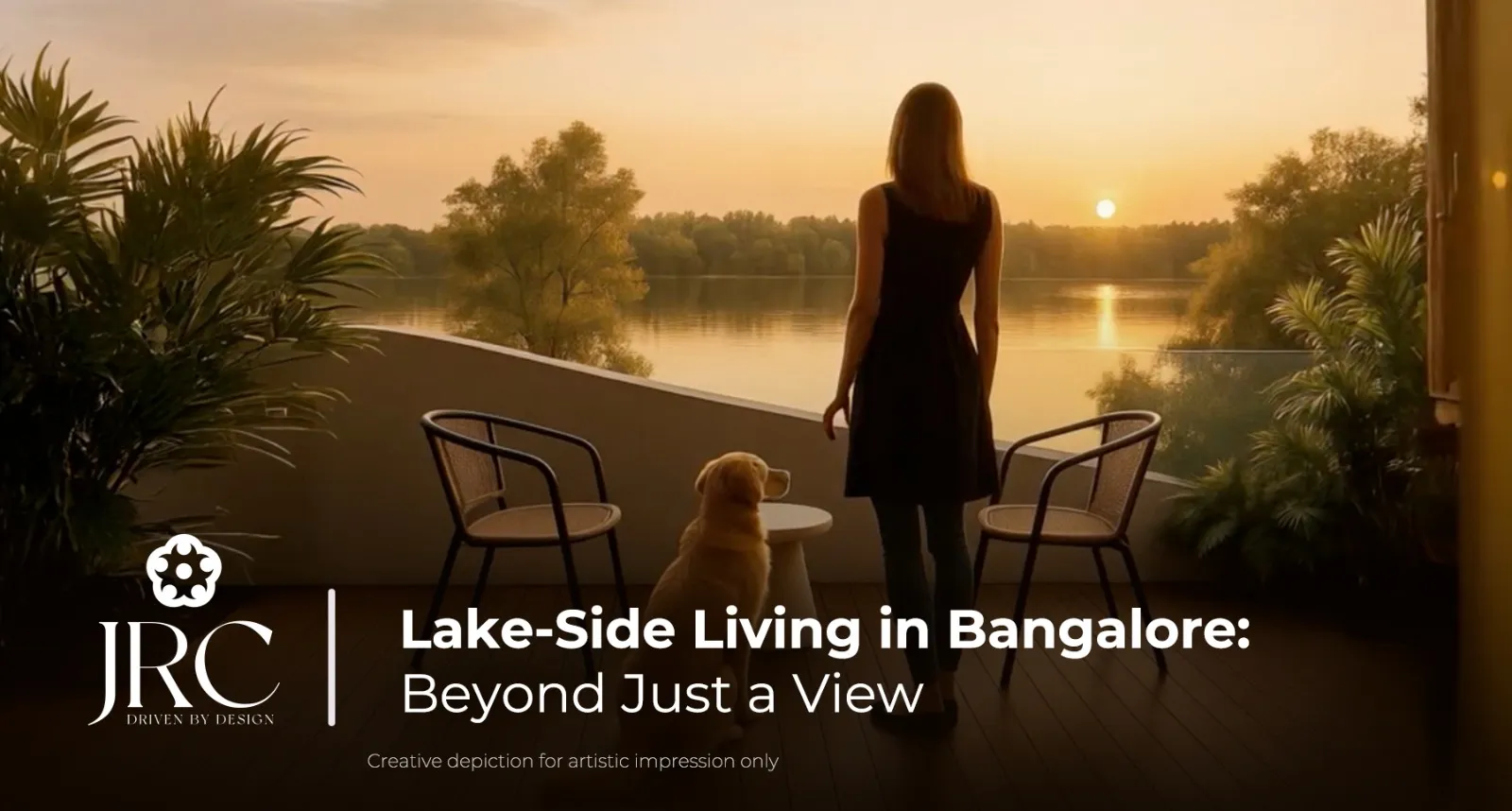
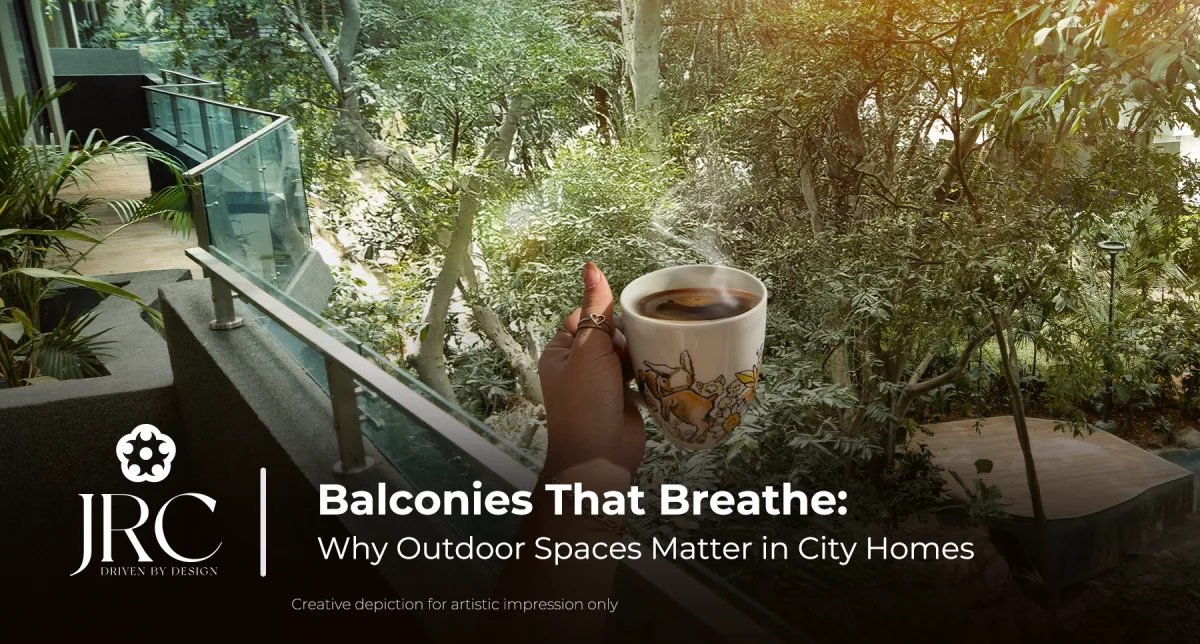
Being home surrounded by greenery helps relax one's eyes from the concrete jungle while at the same time offering one the chance to enjoy various seasons, birds, flowers, and landscapes in the process. All simple actions such as eating breakfast on the balcony, sitting near the window and reading, and taking walks in the evening become more enjoyable if surrounded by nature.
Moreover, green areas promote outdoor activity and allow people to exercise, walk and communicate with their neighbours in a friendly environment.
%20(1).webp)
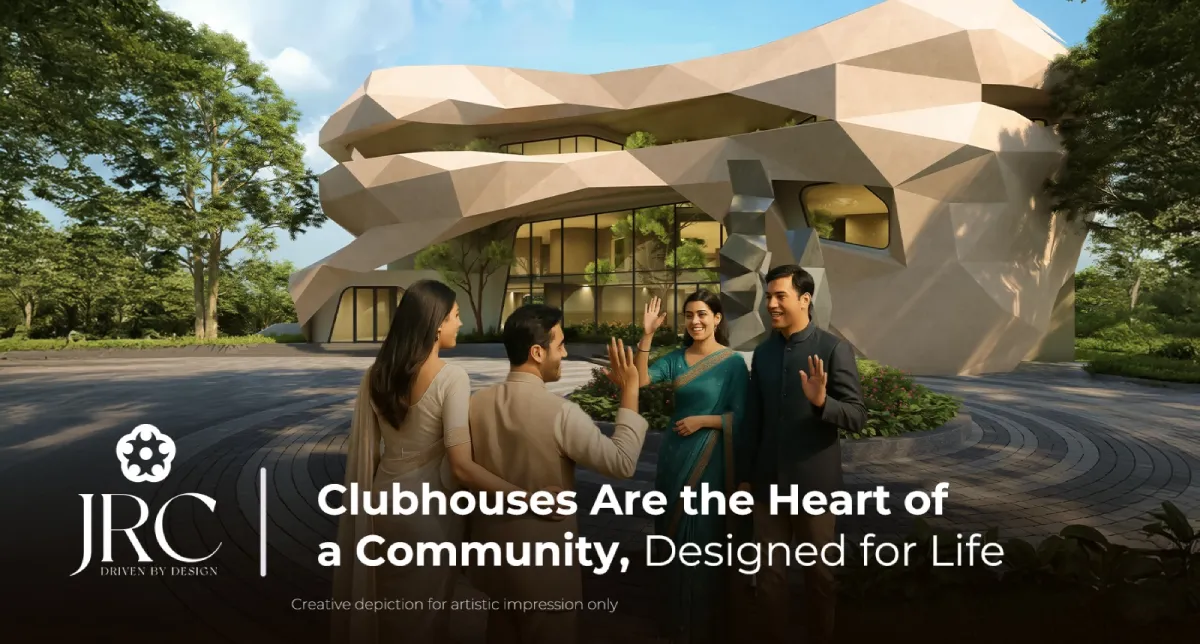
A peaceful family life is not only dependent on the apartment but also on the manner in which the community has been designed.
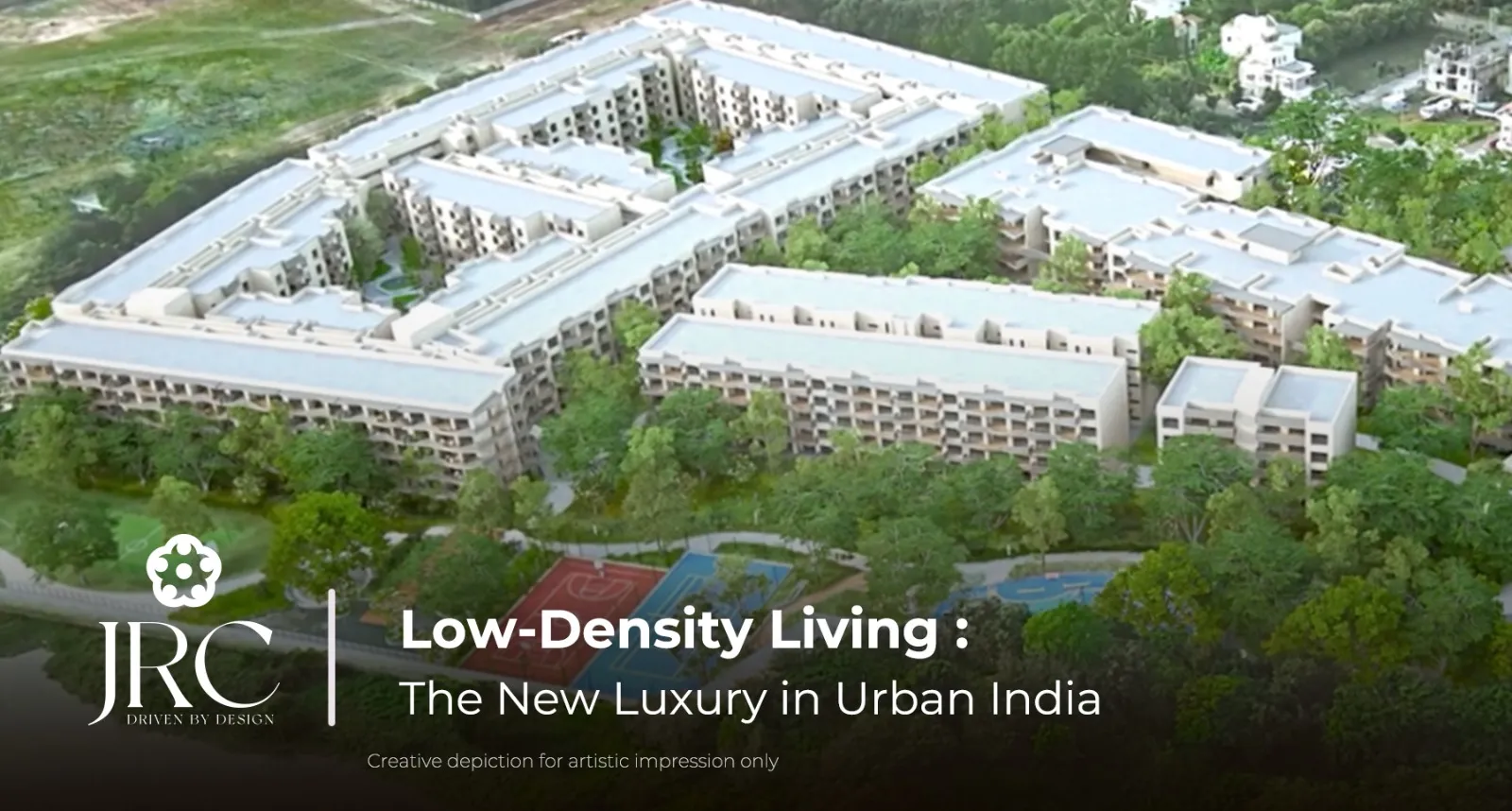
Green residential communities that are well-designed consider aspects like pedestrian movement, vehicle movement, placement of buildings, landscaping, recreational facilities, as well as the relation of public to private spaces. Projects that have lower density would enjoy a more serene environment owing to the availability of more open space.
If all aspects of construction, such as gardens, walking paths, and other facilities, are well-integrated, this makes for a harmonious environment overall.
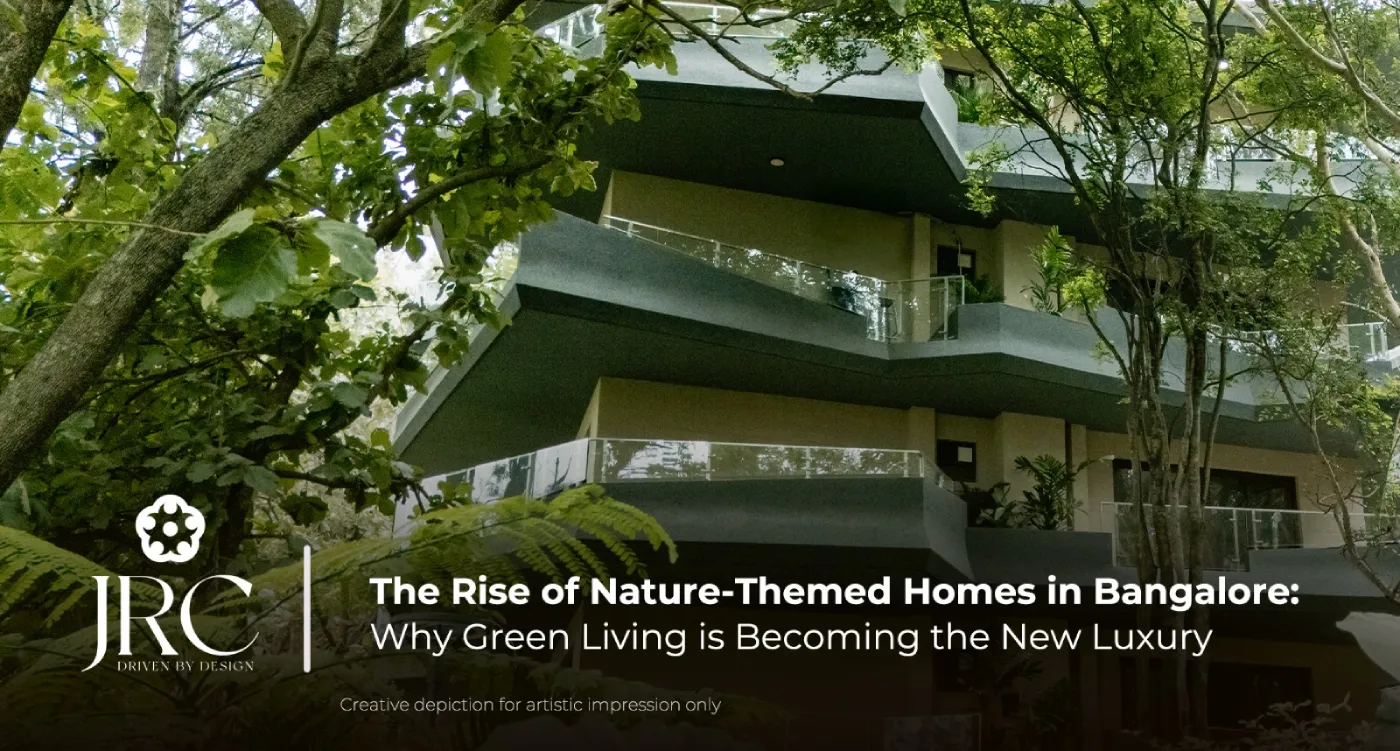
Nature-oriented architecture does not mean merely planting more plants in the surrounding area. It means making an architectural design that harmonises with the natural surroundings.
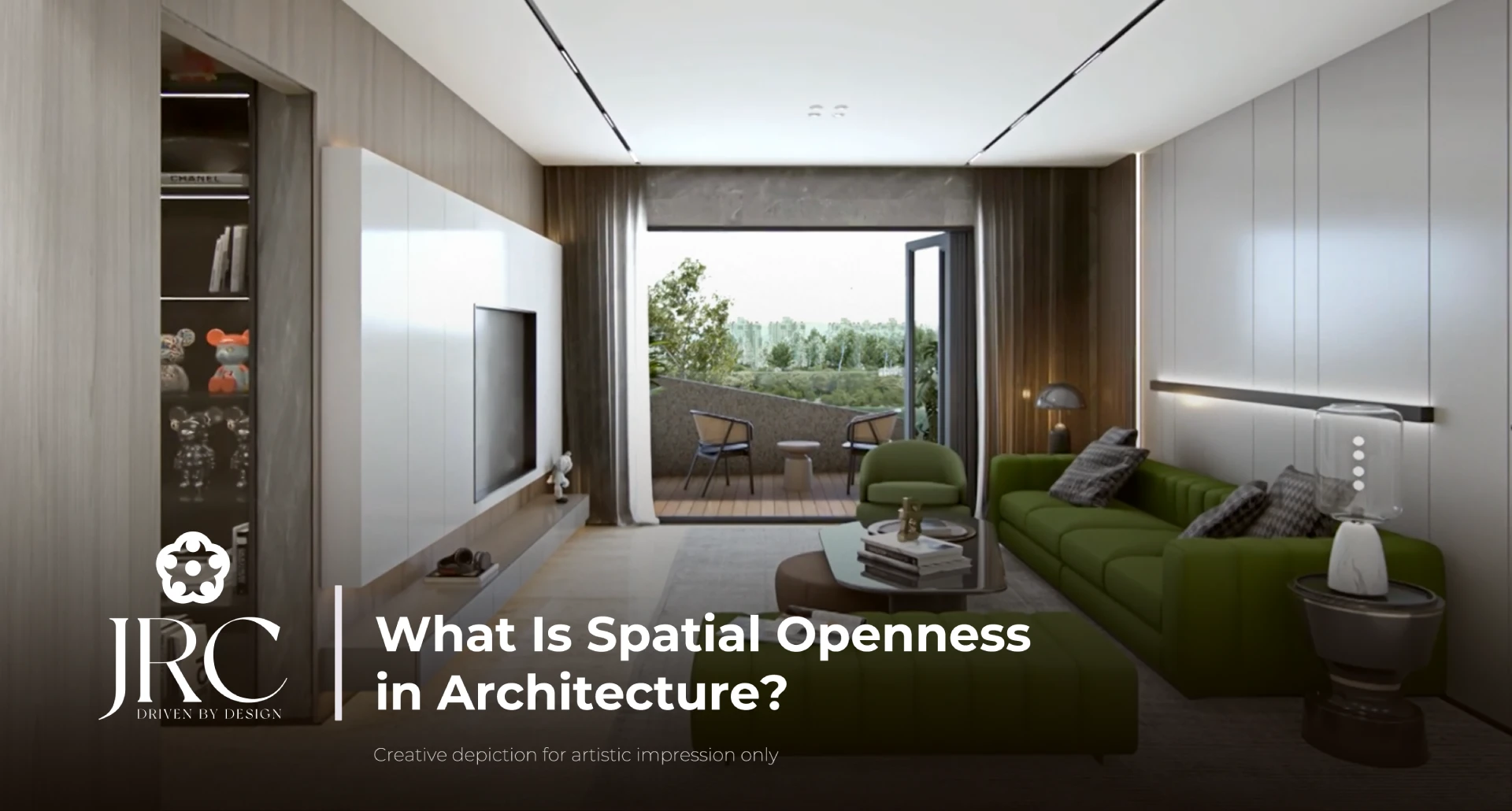
Larger windows, bigger balconies, shading in the outside areas, courtyards, and proper orientation of the building can further help to make a connection between indoor and outdoor environments. In addition, materials, proportioning, and space planning may help create even more connections with the use of these elements by the residents as the sun moves through the day.
The combined approach forms one of the essential aspects of healthy home design architecture, which is all about creating well-being through planning as opposed to decoration.
As cities continue to become more densely populated, homes with meaningful access to greenery are increasingly valued by buyers.
Apart from the visual aspect, the attraction of homes surrounded by greenery is not limited to it alone. The desire for housing areas where kids can play in open spaces, where people have the opportunity to engage in outdoor activities, and where the atmosphere is generally less crowded appeals to many families. Such features make apartments more attractive for longer-term residence due to an increase in overall quality of life as opposed to mere satisfaction with the apartment alone.
For many buyers, investing in a home designed around nature represents an investment in long-term quality of life.
The modern way of life includes working in offices for many hours, working in front of computer screens for many hours, and being constantly engaged in some activities. A well-designed house may provide an opportunity to slow down and connect with simple things in one's daily life.
Open-air balconies, which provide views of the landscaped area, shaded walkways, seating and gardening areas, help in making people feel comfortable outside. The places that emphasise wellness, nature and openness are such that people are relaxed at all times in their daily lives rather than just during their vacation times.
This is one of the main features of green residential communities, which give equal consideration to architecture, landscaping and the wellness of human beings.
At JRC Projects, being Driven by Design means creating homes where architecture, landscape, light, air, and nature work together. This idea comes alive at JRC Wildwoods through features such as:
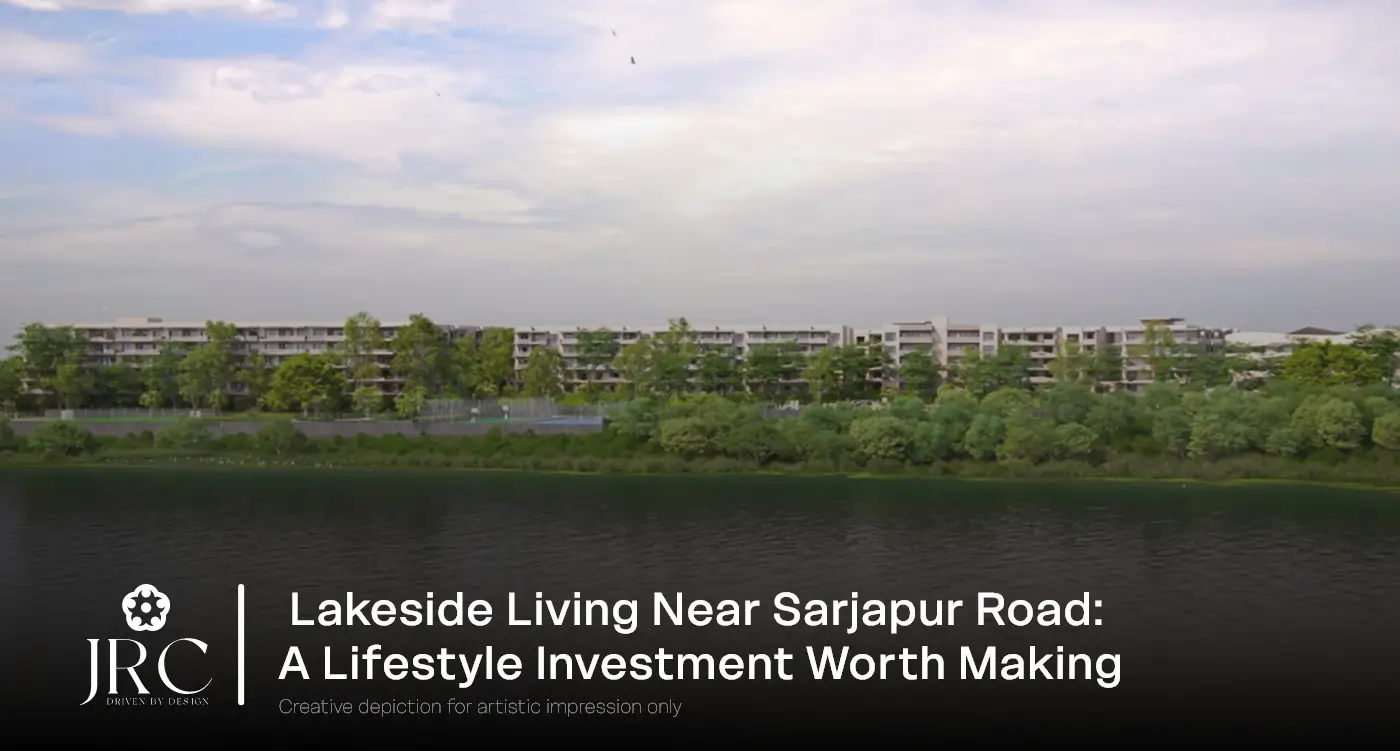
For buyers looking for peaceful homes near Sarjapur Road, ORR, and the Electronic City tech corridor, JRC Wildwoods offers a setting where nature, design, and connectivity come together thoughtfully.
As more buyers look for homes that support both wellbeing and convenience, nature-centric living will continue to shape residential choices. A peaceful home is not created by finishes alone. It comes from thoughtful planning, greenery, light, air, privacy, and a location that supports everyday life.
For families and professionals looking near Sarjapur Road, ORR, and the Electronic City tech corridor, a nature-led community like JRC Wildwoods offers the balance of calm surroundings and practical connectivity.
Experience Nature-Centric Living
OC-Status Received for Wildwoods. Visit JRC Wildwoods to experience the natural light, greenery, open spaces and views that make a home feel more peaceful.
Book a walkthrough or call +91 79952 32837.

Green residential communities are those communities which have been designed to incorporate adequate landscaping and preservation of natural qualities along with large open spaces, walkable communities and integration of architectural design into the ecosystem.
Healthy home design is a practice that focuses on designing homes that promote both physiological and psychological well-being through the use of sunlight, fresh air, quality materials, comfort, nature connection, and sustainability.
Homes surrounded by greenery provide natural contact, appealing scenery, recreational activities, visual openness, and a habitat that is more soothing to many people than those found in urbanised environments.
A peaceful home environment depends on many things, such as natural light, proper ventilation, reduced noise pollution, greenery, privacy, smart design, adequate space, and proper community planning for day-to-day living.
Nature-centric living involves a concept of housing that revolves around nature and planning, providing people with healthier living environments by incorporating such aspects as the landscape, greenery, sunlight, and ventilation into houses.
.webp)