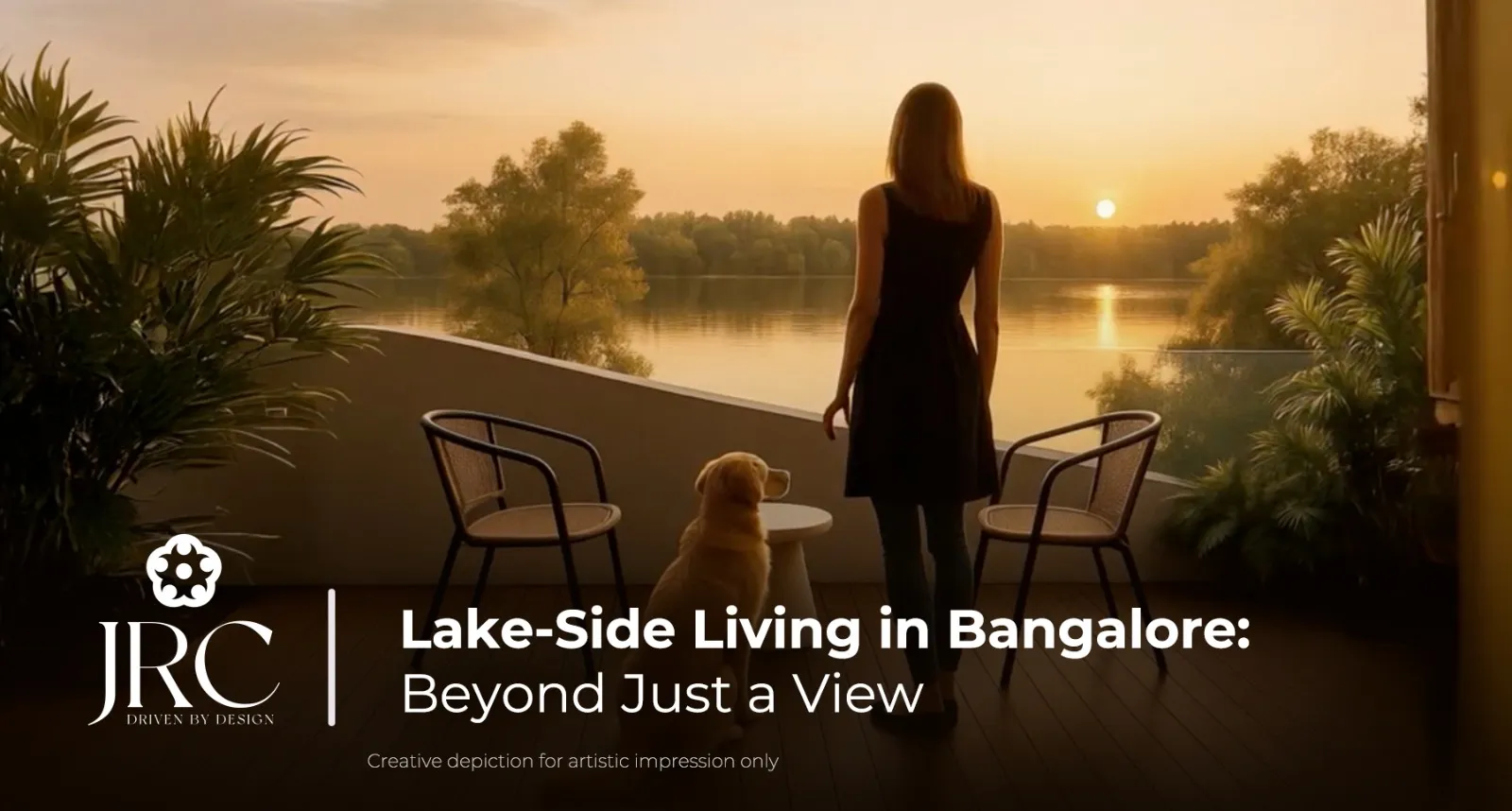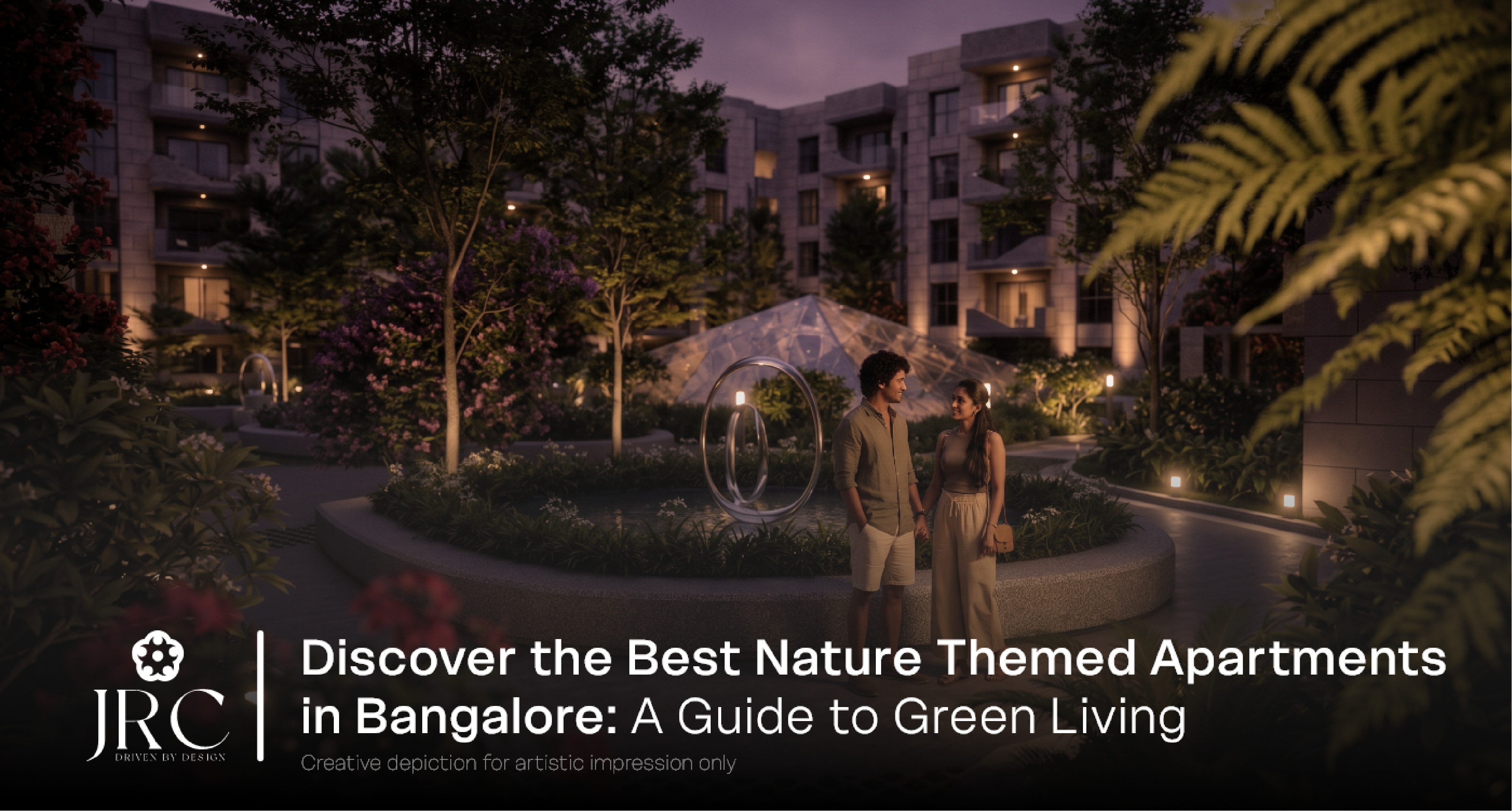



There is a particular quality of morning that only a certain kind of home delivers: waking to birdsong rather than traffic, the first view from bed being treetops rather than a neighbouring building's wall, the air carrying a different quality when windows are opened. For most urban apartment dwellers in Bangalore, this description sounds like a holiday memory rather than a daily reality. Nature themed apartments in Bangalore represent a growing, serious attempt to make it the latter rather than the former, and the best of them are succeeding in ways that move well beyond the planted terrace gardens and token greenery that most residential marketing has historically used to claim the nature-living label without delivering the experience.
No Indian city has produced as coherent and persistent a demand for premium green living apartments in Bangalore as this one, and the reasons go beyond climate, though the climate helps considerably. The city of Bangalore’s technocrats, who are more educated, have travelled globally and know a lot about environmental problems through their work in sustainability-oriented industries, have always demanded residential preferences that represent values rather than mere functional necessities.
The city also retains a legacy of natural beauty, its famous tree canopy, its lakes, its elevation and temperate air, that residents who arrived from elsewhere often describe as the most unexpected and most valued thing about living here. The demand for nature-integrated housing is, in part, a demand to preserve and access what Bangalore's natural character still offers before further densification renders it inaccessible from daily urban life. Eco-conscious housing in Bangalore has found a market that is not niche but mainstream, driven by a population that treats environmental quality as a baseline residential expectation rather than a premium luxury.
The phrase green living has suffered from the same fate as most residential marketing terms: overuse to the point of near meaninglessness. A group of potted plants on a rooftop terrace, a miniature lawn surrounded by two buildings, and an installation for harvesting rainwater that is described in a specification sheet cannot be considered a green living apartment in any true sense. One needs to move beyond the terms used in the marketing language of green living apartments in order to understand what truly makes premium green living apartments in Bangalore.
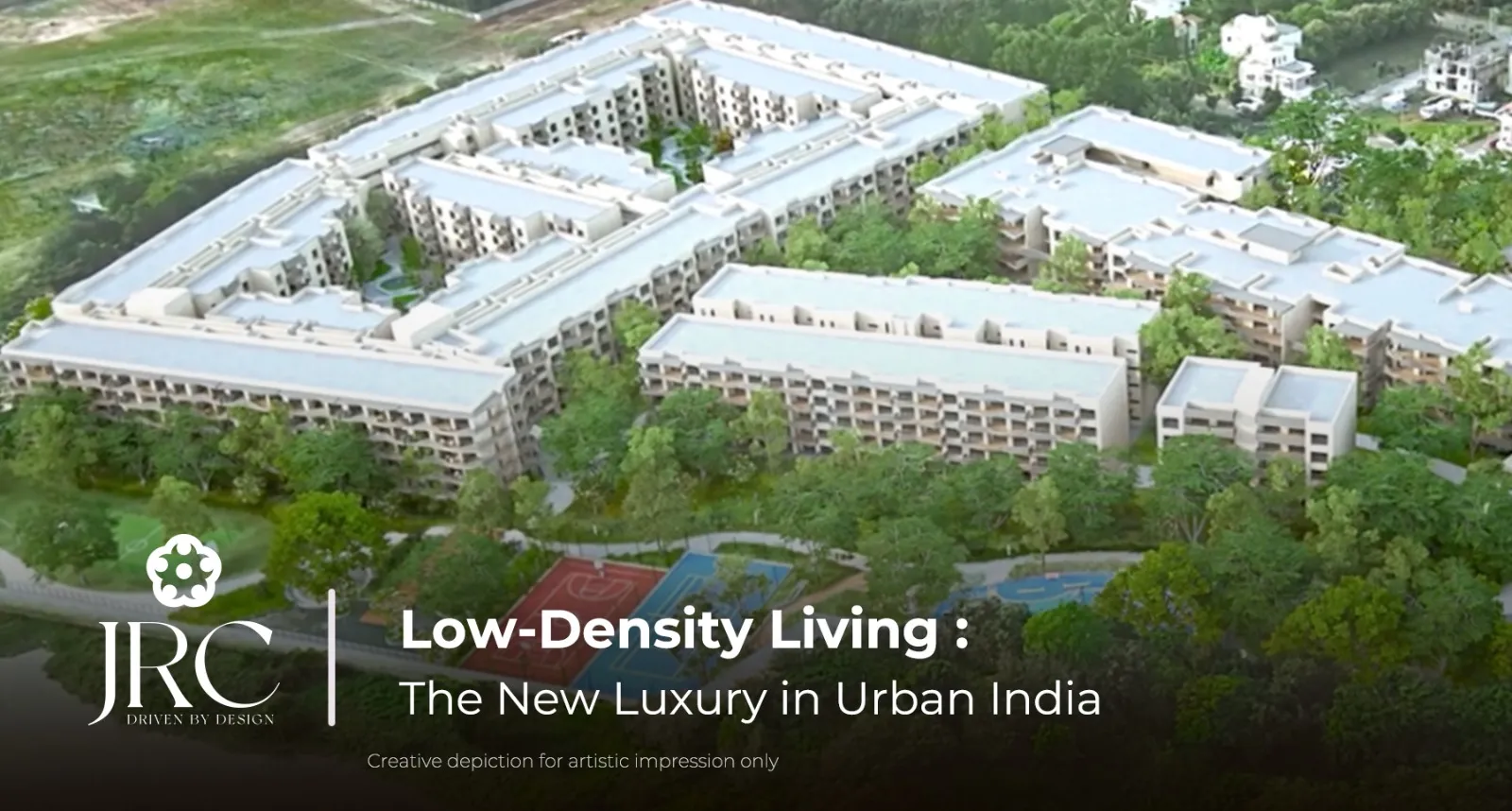
Density is the first and most basic element. Projects that maximise the use of the space through maximising the amount of units built on a given land cannot at the same time create the green space, canopy of trees, and open spaces which are essential for green living. Those projects that offer green living accept that there will be a lower density of the units built per acre as a purposeful decision made as part of the design, and the choice between maximising revenue and creating a good place to live is made in favour of the latter. A density of just 47 apartments per acre reflects a conscious design choice to prioritise open spaces, mature trees, and a better everyday living environment for residents.
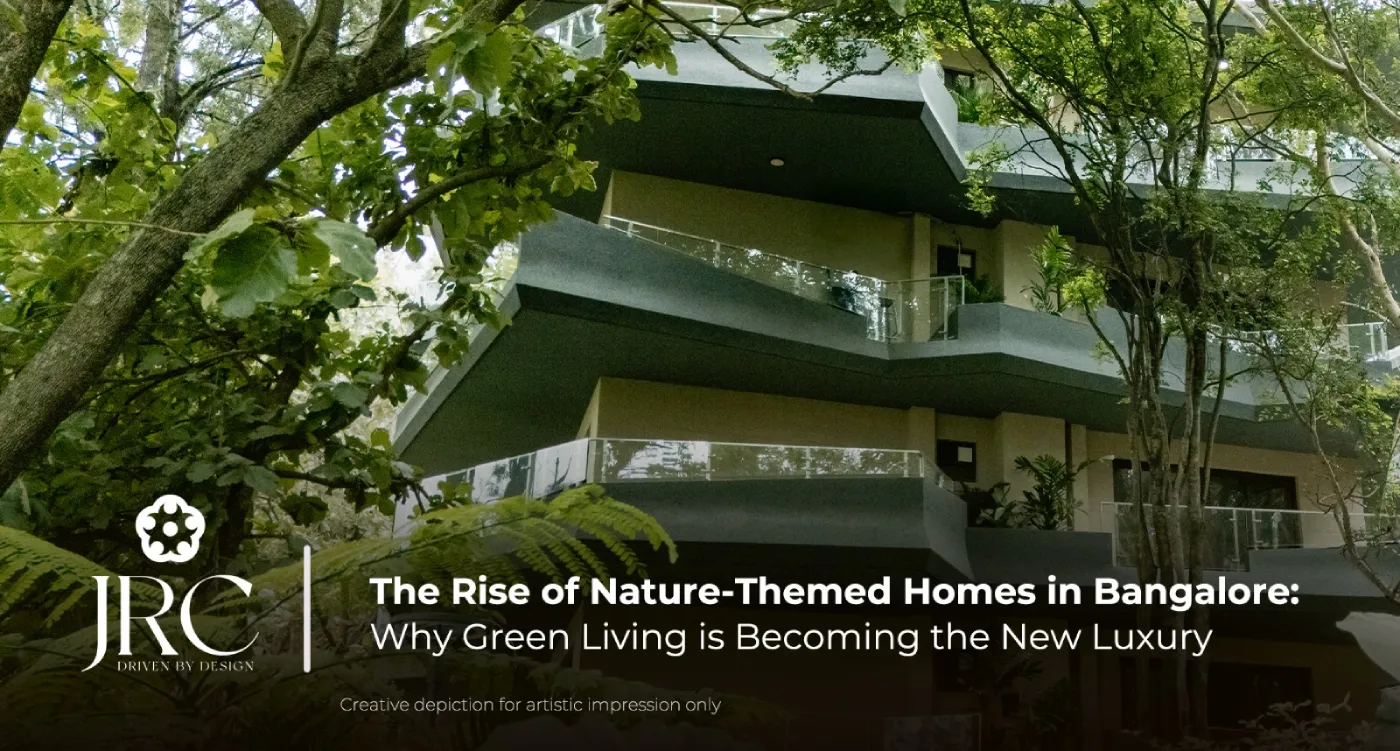
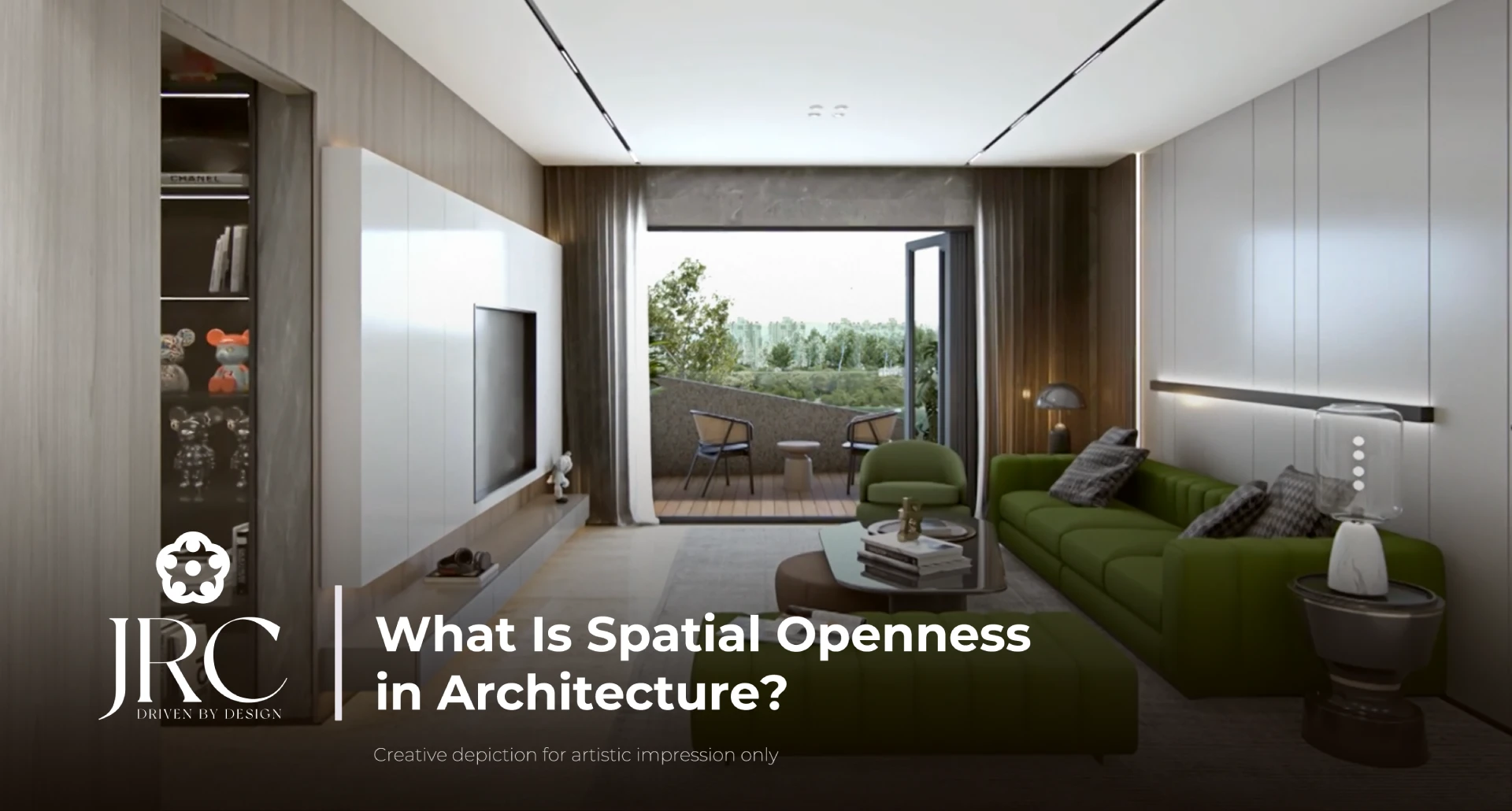
The second major element is biophilic design, which entails the incorporation of nature into the process of making decisions regarding architecture as opposed to its inclusion as an ornament in architecture. This involves the design of houses around existing trees rather than eliminating them for the convenience of building, positioning of apartments in such a way that there is maximum utilisation of natural light and ventilation, use of natural materials and textures in such a way that they make people feel connected with nature despite being indoors, and designing communal and circulation spaces around views of nature.
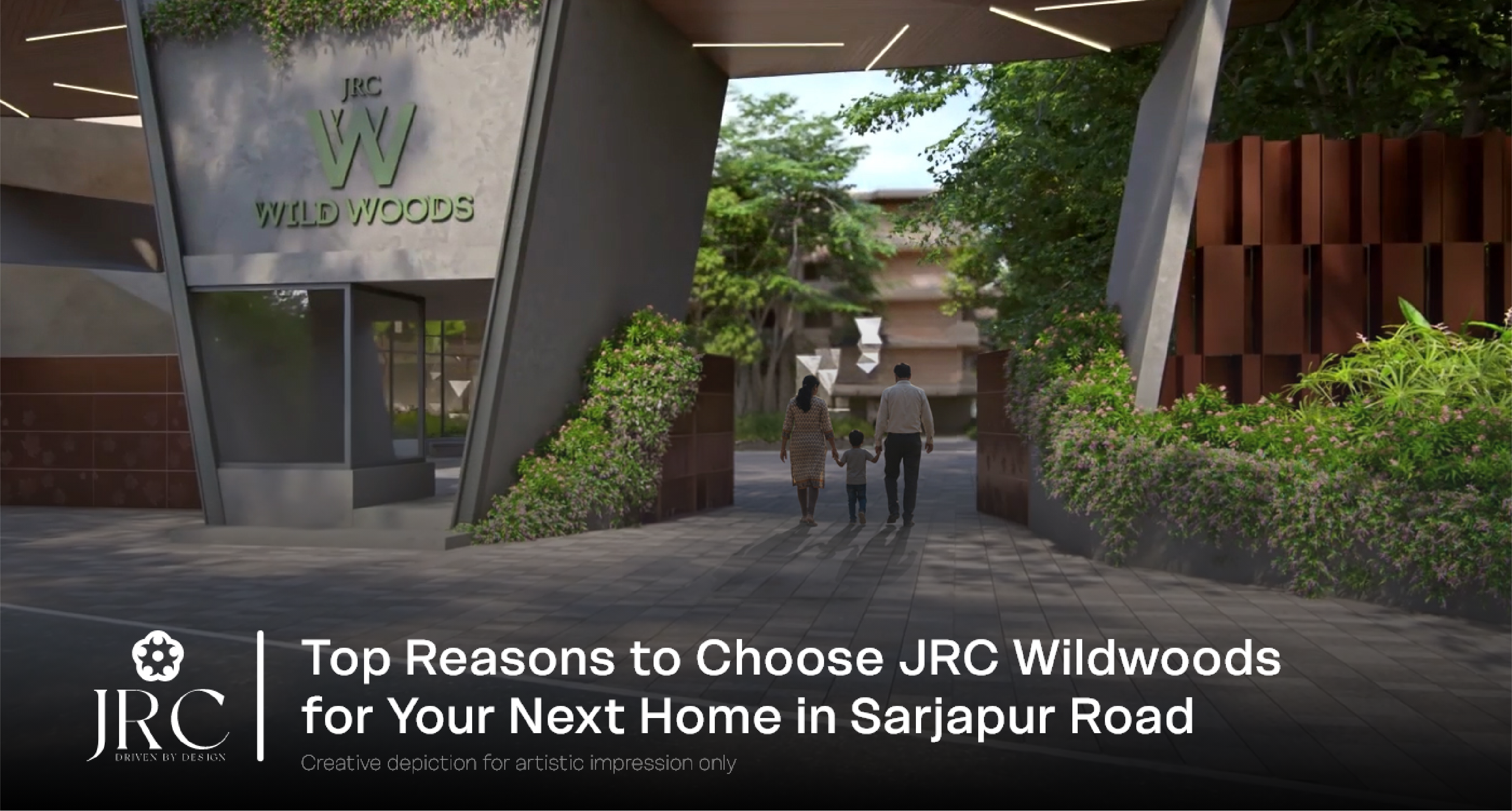
Experience a community where biophilic design, mature greenery, and modern living come together. Visit JRC Wildwoods to explore it firsthand.
The findings showing the relationship between being close to nature and mental health results have been gained in such numbers that it is no longer appropriate to consider this as something hoped for but not yet proven. Attention Restoration Theory, formulated based on the research conducted within environmental psychology over decades, shows that nature restores the directed attention that has been used up by city life.
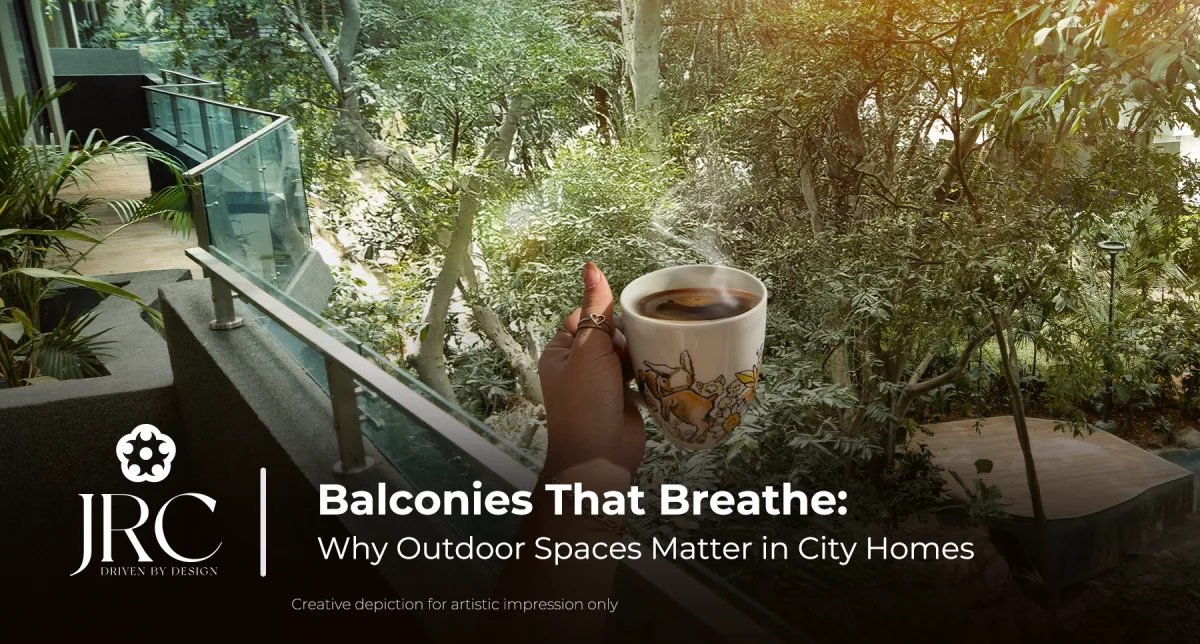
For residents of Bangalore's technology sector, whose professional lives involve sustained, high-intensity focused work across long hours, this cognitive restoration function of natural surroundings carries particular practical significance. A home environment that provides genuine contact with nature daily, through the view from a balcony into a tree canopy, the sound of birds rather than traffic, and the light quality that filtered sunlight through leaves produces rather than the flat artificial light of an enclosed apartment facing another wall, actively supports the kind of daily mental recovery that makes sustained high performance possible rather than gradually eroding it.
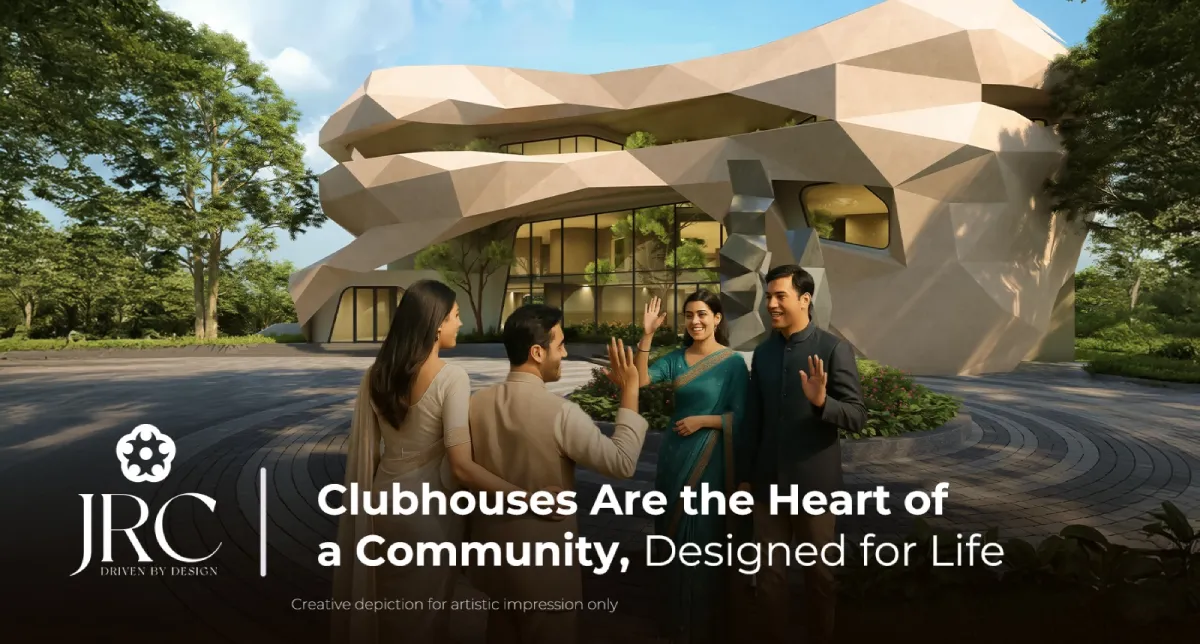
How nature themed apartments contribute to the mental wellbeing of people can also be seen in terms of the social aspect of the community that forms from sharing natural spaces. Natural green zones, parks, and lakeside facilities, which encourage residents to come out of their units and spend time together in natural surroundings instead of staying indoors, lead to the development of true neighbourliness in a manner that cannot happen in dense city apartments. Communities that emerge from natural common spaces are more satisfied and socially cohesive.
The quality of life improvements associated with eco-friendly gated community apartments in Bangalore are both specific and measurable. Apartments within genuine green communities run meaningfully cooler during Bangalore's warmer months, since tree cover and soil moisture moderate microclimatic conditions in ways that concrete and asphalt intensify rather than moderate. This temperature benefit is not marginal; it translates into direct energy savings, greater comfort in outdoor spaces, and the kind of liveable outdoor environment that residents actually choose to spend time in rather than avoiding.
Air quality within a mature tree canopy differs measurably from air quality in a comparable urban environment without it. Trees filter particulate matter, absorb pollutants, and contribute to the generally cleaner air quality that Bangalore's remaining green corridors still offer relative to the denser parts of the city. For families with children or elderly members, this air quality dimension carries health significance that extends beyond comfort into genuinely protective territory.
Premium apartments surrounded by nature also tend to create a more genuinely child-friendly environment than dense urban apartment complexes where outdoor space is either absent or too trafficked to be genuinely free-range. Children in communities with mature trees, natural play surfaces, and genuine green zone depth develop differently from those whose outdoor access is limited to a defined play equipment zone with no natural variation. Nature-integrated communities support a quality of childhood that parents increasingly recognise as something the apartment they choose can either enable or prevent.
Eco-conscious housing in Bangalore makes a meaningful environmental contribution through several mechanisms that go beyond the aspirational sustainability claims common in residential marketing. Buildings designed for passive cooling, with genuine cross-ventilation, natural light penetration into every living space, and shading from mature tree cover, carry structurally lower energy loads than sealed, fully air-conditioned apartments dependent on mechanical systems for every element of internal comfort.
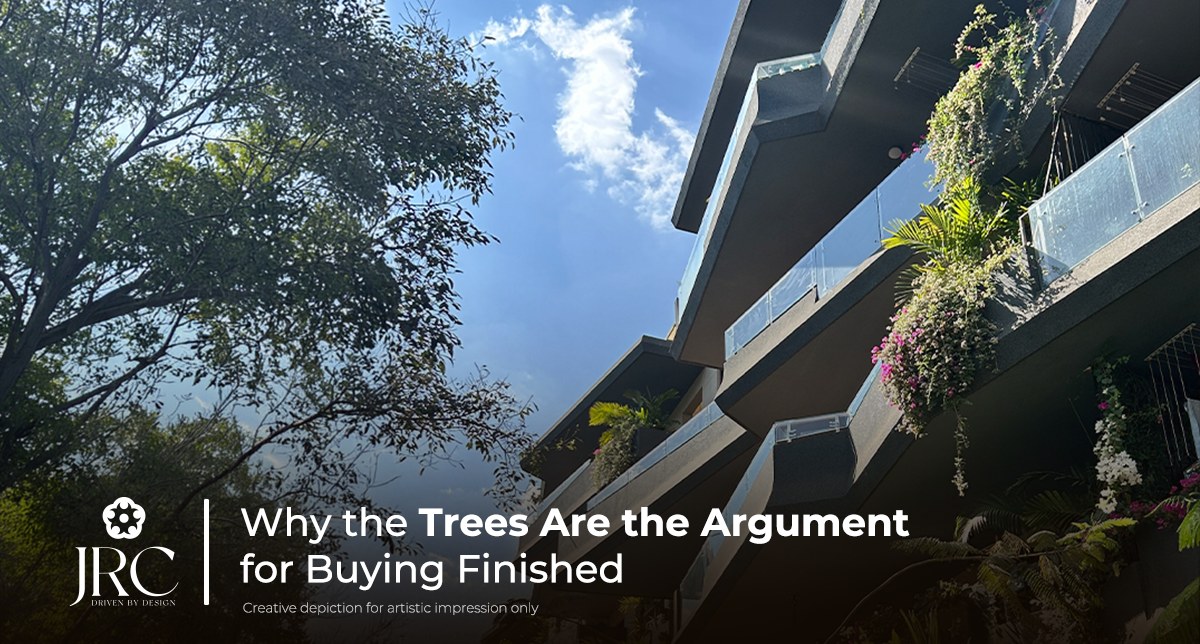
The choice to preserve existing mature trees rather than cut them down is one of the most environmentally impactful decisions that a developer can take, not only because the mature trees represent years and years of carbon storage and biodiversity maintenance that cannot be easily replaced by any newly planted trees but also because it is the ecology supported by those mature trees, be it the birds, insects, or even the soil microbiome, which makes up the natural environment that exists and not the artificial version of it. Development projects built around 1,200 mature trees, among which are ayurvedic trees with ecological and cultural importance, are truly making an environmentally impactful decision.
Eco-friendly building materials and finishes that stress the importance of durability and ecological suitability, rather than aesthetics, play a vital role as well. Finishes that are grit-based and thus need little maintenance and have less embodied energy compared to painted finishes, fittings that are chosen for their longevity and quality rather than replacement cycles, and designs that take into account future maintenance needs are examples of environmentally sound design choices.
For buyers genuinely seeking a healthy living environment in Bangalore's residential market, distinguishing between projects that deliver genuine nature integration and those that use the vocabulary without the substance requires a specific evaluation approach. Visit during peak daytime hours to assess actual natural light quality. Walk the site to understand the actual tree density and canopy coverage. Ask specific questions about the unit-per-acre ratio and the proportion of land area dedicated to green zones versus built footprint. Look at completed sections of ongoing projects rather than show flats designed to present the most favourable possible impression.
The questions that reveal the most about a project's genuine commitment to green living are typically the ones that feel slightly uncomfortable to ask: what will actually remain if the planted material does not survive to maturity, how the common areas are maintained over time rather than only at launch, and what the density will actually feel like once all phases are occupied rather than only in the first phase.

Through passive cooling design that reduces energy dependency, preservation of mature trees and their carbon sequestration capacity, sustainable building materials with lower embodied energy and longer lifespans, natural ventilation systems that reduce mechanical cooling requirements, and landscaping approaches that support biodiversity rather than simply providing a decorative green surface.
Green spaces moderate local temperatures, improve air quality, support cognitive restoration, create social spaces that draw residents outdoors into shared environments, provide genuinely child-friendly outdoor areas, and contribute to the overall community character and satisfaction that sustains property values over time.
Low density per unit, biophilic architecture with nature being incorporated into the process of architecture, mature trees retention, green space coverage, cross ventilation and sunlight, eco-material selection, and natural bodies of water or landscape forms close at hand are some of the key factors which define true premium green living apartments and set them apart from those just using green terminology without the real thing.
The cool climate of Bangalore, its heritage of trees, the educated and environmentally conscious residents, and the true natural resources available along stretches such as Sarjapur Road have enabled the creation of green living spaces that very few other cities in India can compete with. The requirement of an IT worker force that considers the environment a prerequisite of life has led to developers investing in truly nature-friendly real estate projects.
Natural settings replenish directed attention that gets drained by continuous exposure to urban and professional stimuli, decrease stress hormones, enhance the quality of sleep, and provide a type of daily restoration necessary for consistent performance. People living in apartments where there is regular daily contact with tree canopies, natural light, and birdsongs experience reduced levels of stress and improved emotional well-being.