

Finding personal space is a growing challenge in today’s urban sprawl, where high-rises and densely packed communities dominate cityscapes. The constant buzz of crowded elevators, shared walls, and limited green spaces often compromise privacy and well-being. But what if your home was more than just an address? What if it was a sanctuary?
As urbanization accelerates, homebuyers are now prioritizing low-density living—a lifestyle that offers spacious homes, tranquil surroundings, and a stronger sense of community. According to a survey by the National Association of Home Builders, 77% of homebuyers prefer low-density communities over high-rise apartments due to privacy, space, and better quality of life. Let’s explore why choosing a boutique, low-density community might be one of the smartest decisions for your well-being and investment.
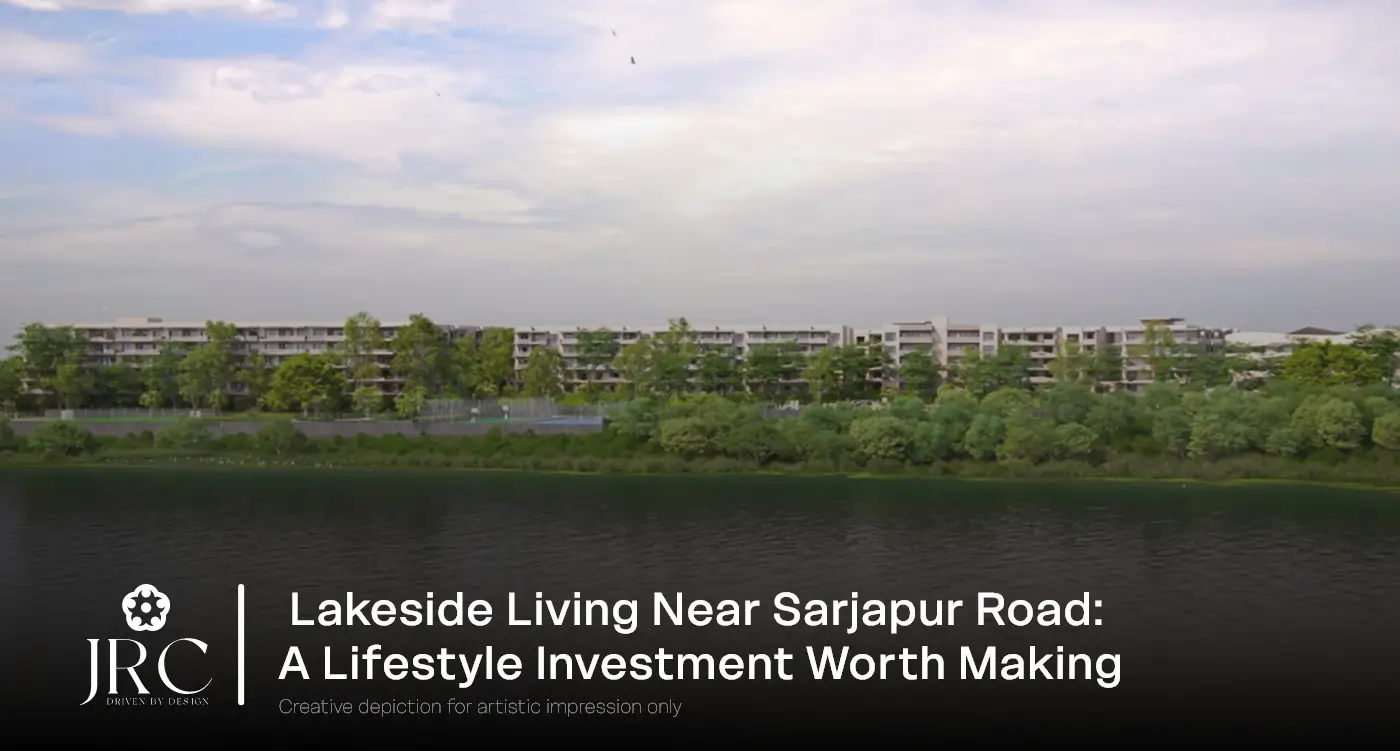
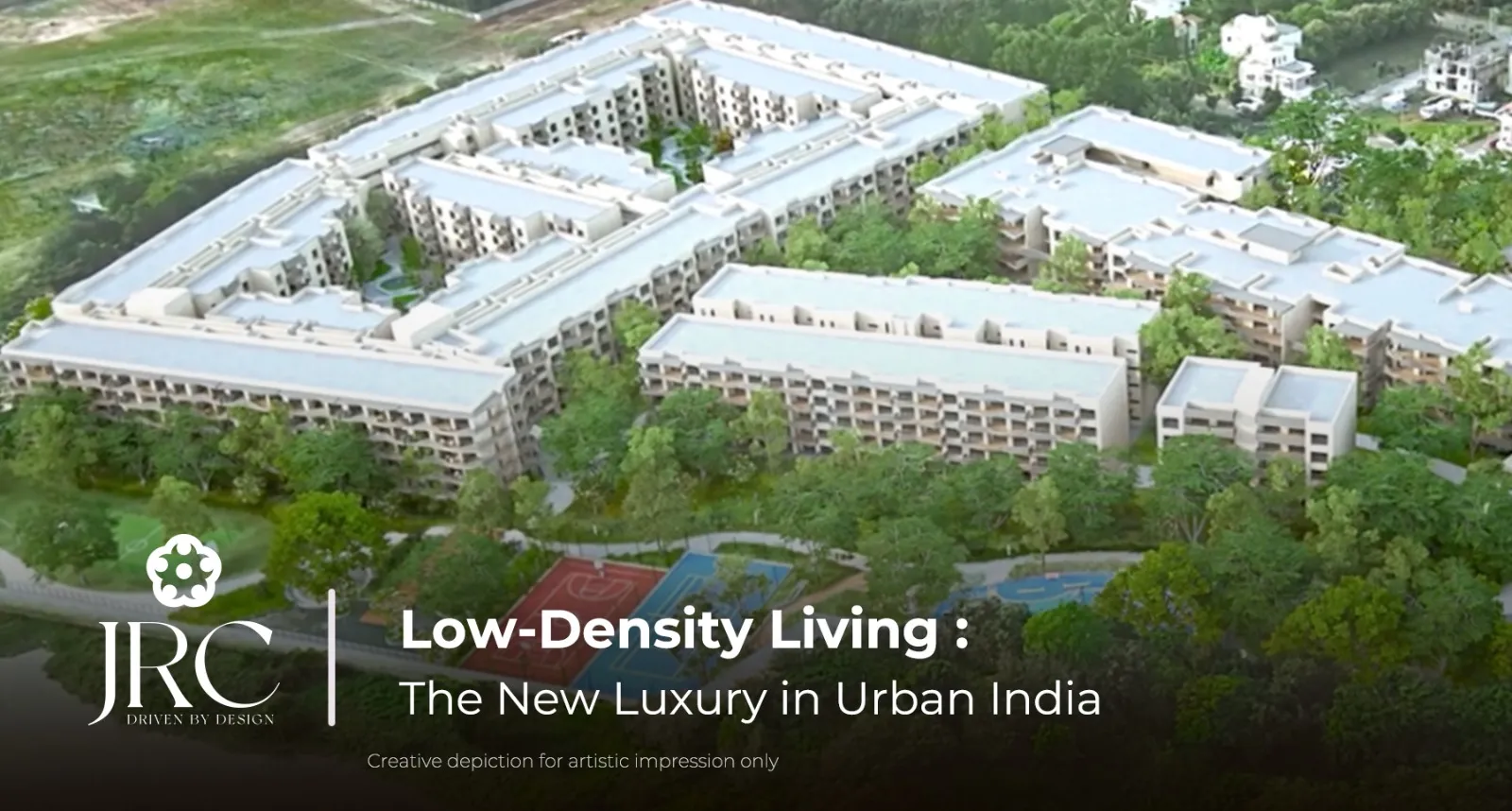
When High-density apartments and townships are stacked closely together, low-density communities offer expansive layouts, open courtyards, and lush green spaces. This means more breathing room, natural landscapes, and a peaceful environment away from the city’s chaos.
A study by the World Health Organization (WHO) indicates that residents of low-density areas experience 20% lower stress levels compared to those in crowded urban centers. In areas like Sarjapur, Bangalore—where urban expansion is rapidly increasing—finding a home that prioritizes space and tranquility can significantly improve daily living.
Ever lived in a place where you barely knew your neighbors? In contrast, a low-density community fosters closer relationships. With fewer families sharing amenities, interactions become more personal, leading to a like-minded and tight-knit neighborhood. Whether it's weekend gatherings, morning jogs, or community events, you’ll feel a genuine sense of belonging.
Research from the Urban Land Institute states that communities with fewer than 50 households report 35% higher engagement in neighborhood activities than those with over 200 households.
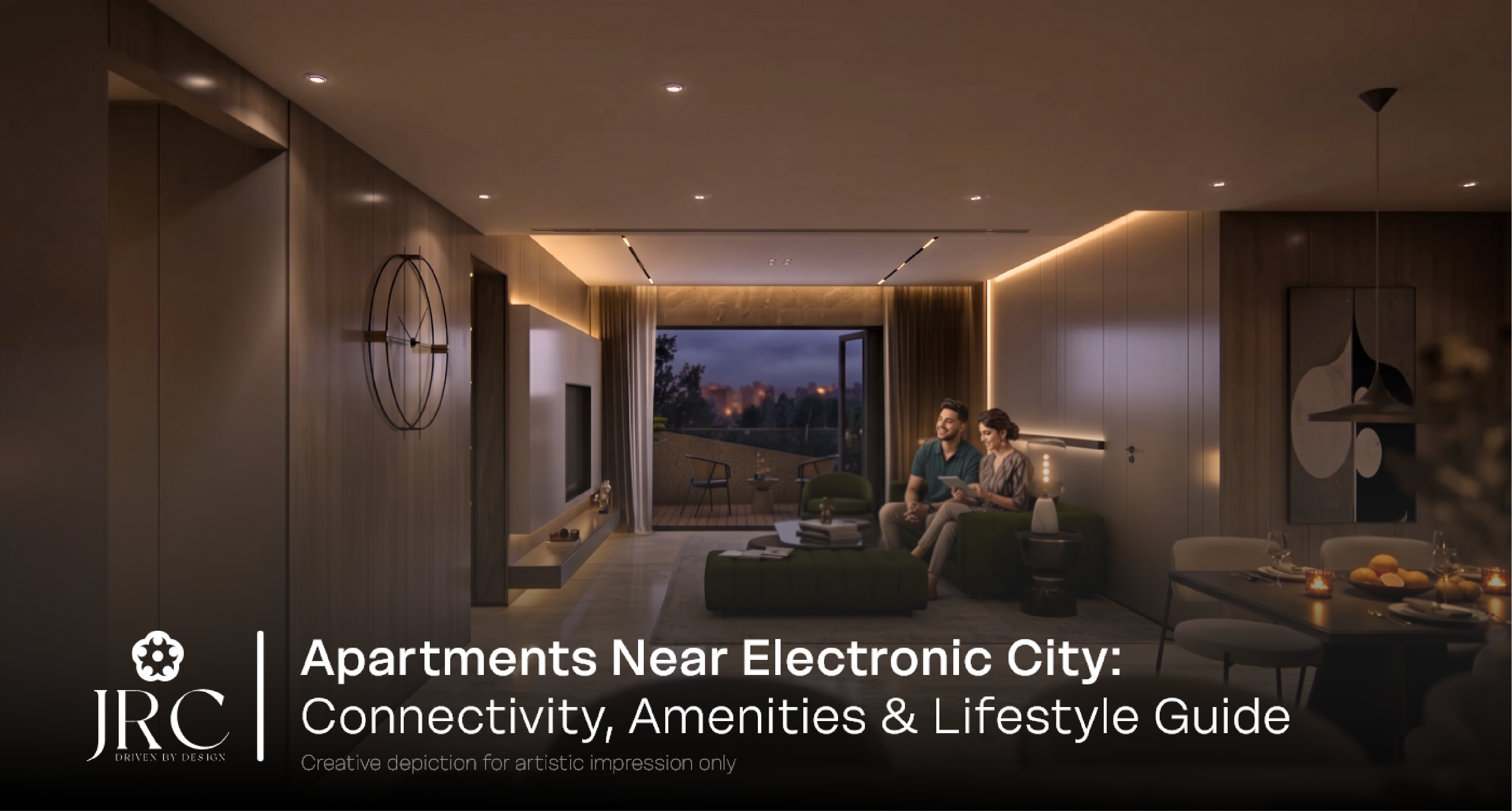
Less congestion means better ventilation and cleaner air. Unlike crowded apartment complexes where airflow is restricted, low-density communities enjoy ample natural light and cross-ventilation. This reduces dependence on artificial lighting and air conditioning, creating a healthier and more energy-efficient home.
A study by the Environmental Protection Agency (EPA) reveals that low-density communities have 30% lower indoor pollution levels compared to high-rise apartments, leading to improved respiratory health and reduced allergy-related issues.
In a world where privacy is increasingly valued, fewer neighbors mean fewer disturbances. Low-density living ensures you can enjoy your home without intrusive noise or unwanted interruptions. Additionally, with controlled access points and a limited number of residences, security measures are more effective, giving homeowners greater peace of mind.
A report by SafeWise indicates that gated low-density communities experience 40% fewer security incidents than high-density urban complexes.
Exclusivity and limited availability drive long-term value. Homes in low-density communities tend to appreciate faster due to their unique appeal. Unlike high-rise apartments that flood the market with similar units, boutique villas maintain their exclusivity, making them a solid real estate investment.
According to Knight Frank’s 2024 Wealth Report, luxury low-density properties in Bangalore have seen an annual appreciation of 8-12%, compared to an average 4-6% increase in high-rise apartments.
If low-density living sounds like the perfect lifestyle, JRC Sanzio brings this vision to life. Nestled in Sarjapur, this boutique villa community is a masterpiece of Art Deco-inspired architecture, offering:
Why settle for the ordinary when you can experience the charm of low-density living? A home at JRC Sanzio is not just an investment in real estate—it’s an investment in your well-being, privacy, and future value. Explore JRC Sanzio today.

There is no universal standard, but low-density communities generally have significantly fewer homes per acre than conventional developments. Buyers should compare the total number of residences, the land area, and the percentage of open space rather than relying on marketing terms alone.
Buyers should consider the number of homes, percentage of open space, master planning, amenity distribution, building orientation, connectivity, developer reputation, and legal approvals before making a purchase decision.
Low-density planning often allows for better building spacing, which can improve airflow and daylight access. When combined with thoughtful architectural design, these features create brighter and more comfortable living spaces.
The best choice is a community that offers the right balance of both. Families often benefit from quieter surroundings, safer internal spaces, and convenient access to everyday amenities. A thoughtfully planned low-density community can deliver these advantages without compromising on lifestyle facilities.
Today's homebuyers are placing greater value on how a community is designed rather than simply how large it is. Well-planned communities prioritise efficient layouts, accessible amenities, green spaces, and everyday convenience, creating a more comfortable living experience without the complexity that often comes with much larger developments.