What Makes a Home ‘High-Design’? The 5 Principles of Timeless Architecture

February 15, 2025

Architecture is more than the art of building—it is the craft of creating spaces that inspire, endure, and function with seamless efficiency. A high-design home is not merely a structure; it is a symphony of proportion, material integrity, and spatial harmony. In an era where trends come and go, the principles of timeless architecture serve as the foundation for homes that remain elegant and relevant for generations. This article delves into architectural philosophies, historical influences, and modern interpretations of high-design homes.

1. Proportion & Symmetry: The Golden Ratio in Home Design

The ancient Greeks understood that beauty in architecture is deeply tied to mathematical proportions. The Golden Ratio (1:1.618) has been a guiding principle in creating spaces that feel naturally pleasing to the human eye. The Parthenon in Athens and the works of Leonardo da Vinci incorporate this ratio to achieve harmony in design. Dating back to ancient Greece and Rome (500 BCE - 300 CE), proportion and symmetry have been central to architectural design. The Greek Parthenon (438 BCE) and the Roman Pantheon (126 CE) are perfect examples of how mathematical precision was used to create structures that felt harmonious and grand.

The Renaissance era (14th - 17th century) saw architects like Andrea Palladio refine this approach, developing the "Palladian Proportions" that continue to influence classical and neoclassical architecture today. These principles ensure that a building feels balanced and aesthetically pleasing.

  • Why it Matters: A well-proportioned home doesn’t just look good—it feels right. The human brain instinctively recognizes harmony in symmetry and scale.
  • Comparative Analysis: Classical European architecture, including Greco-Roman and Neoclassical styles, emphasized balance in facades, while modernist masters like Le Corbusier embraced proportion to create functional yet aesthetically compelling designs.
  • Historical Insight: The Vitruvian principles of architecture—Firmitas (Strength), Utilitas (Functionality), and Venustas (Beauty)—have shaped design philosophies for centuries.
  • Relevance Today: In modern luxury homes, these principles manifest through well-planned elevations, symmetrical facades, and proportionate spaces that create a sense of order and sophistication. At JRC Palladio, inspired by Palladian architecture, classical symmetry is fundamental in ensuring grand yet functional villa designs.

2. Material Authenticity: The Truth in Craftsmanship

A home that ages gracefully is one that is built with materials chosen for their authenticity and durability. The best designs celebrate materials in their purest form—whether it is stone, wood, metal, or glass. Throughout history, architecture has been defined by the materials available. Gothic cathedrals (12th - 16th century) relied on stone and stained glass to achieve their soaring, intricate designs. In the early 20th century, the Bauhaus movement emphasized raw materials like concrete, steel, and glass to reflect industrial advancements.

  • Why it Matters: Natural materials evolve with time, developing patinas that add character. Synthetic substitutes may provide initial appeal, but they often lack the depth and longevity of their natural counterparts.
  • Comparative Analysis: Mid-century modern architecture, particularly by Frank Lloyd Wright, emphasized material honesty with exposed brick, unpolished wood, and raw concrete. Meanwhile, traditional Japanese design incorporates natural wood that matures beautifully with age.
  • Historical Influence: The Arts and Crafts movement of the late 19th century, led by William Morris, emphasized the value of craftsmanship and authentic materials in response to industrialization.
  • Relevance Today: Sustainable architecture now prioritizes locally sourced and durable materials. JRC Wildwoods, for instance, incorporates natural elements like wood, stone, and Ayurvedic trees into its environment, ensuring a blend of aesthetics and sustainability. Material authenticity is crucial in creating a home that ages gracefully while reducing environmental impact.

3. Spatial Flow & Functionality: Designing for Living

High-design is not just about how a home looks but how it lives. The best architectural designs consider spatial fluidity—how people move through spaces, how light interacts with interiors, and how private and public areas interconnect. One of the defining aspects of high-design homes is their ability to balance beauty with practicality. The Modernist movement (1920s - 1960s), led by architects like Le Corbusier and Ludwig Mies van der Rohe, revolutionized space planning by advocating for open layouts, minimalism, and fluid movement within homes.

  • Why it Matters: A well-designed home should facilitate effortless living, offering both openness and intimacy where needed.
  • Comparative Analysis: Traditional Indian courtyard homes, like Chettinad mansions, use spatial layering to create microclimates. In contrast, contemporary loft-style residences eliminate rigid partitions, promoting adaptability.
  • Modern Approach: Architects like Zaha Hadid and Bjarke Ingels have revolutionized spatial fluidity with dynamic, non-linear layouts that enhance user experience.
  • Relevance Today: Homes today are designed for multi-functionality. At JRC Sanzio, Art Deco-inspired homes seamlessly blend spacious interiors with outdoor elements, incorporating rooftop gazebos and natural sunlight-designed ceilings. These ensure a high level of livability while maintaining artistic design integrity.

4. Indoor-Outdoor Integration: Blurring the Boundaries

Timeless homes embrace nature, ensuring a seamless dialogue between the built and the unbuilt environment. Biophilic design, the integration of nature into architecture, dates back to Japanese Zen gardens (13th century) and Persian courtyard houses (5th century BCE). The concept gained modern traction with Frank Lloyd Wright's "Organic Architecture" philosophy in the 20th century, seen in masterpieces like Fallingwater (1939).

  • Why it Matters: Humans thrive in environments that feel organic and breathable. Homes that incorporate nature inherently promote well-being and sustainability.
  • Comparative Analysis: Mediterranean villas and Balinese resorts excel in integrating courtyards, terraces, and water features, creating tranquil sanctuaries. On the other hand, Japanese shoji screens and Scandinavian glass facades offer transparency and uninterrupted views.
  • Historical Context: The Farnsworth House by Mies van der Rohe is a prime example of indoor-outdoor integration, utilizing floor-to-ceiling glass walls to dissolve the boundary between home and landscape.
  • Relevance Today: With growing awareness of mental and physical well-being, homes today are designed to embrace nature. JRC Wildwoods, surrounded by mature tropical trees and overlooking a lake, is a prime example of biophilic design done right. The expansive green zones and tree-hugging balconies promote a healthier, more serene lifestyle.

5. Timeless Aesthetic: Beyond Trends, Towards Legacy

A truly high-design home resists passing trends. Instead, it adheres to a design philosophy that remains relevant across decades. This means prioritizing clean lines, coherent architectural language, and enduring elegance over flashy ornamentation. Certain architectural styles endure for centuries, largely due to their thoughtful design and adaptability. Art Deco (1920s - 1930s), seen in iconic structures like the Chrysler Building (1930), and Greco-Roman styles from antiquity, continue to be revered for their distinct character and elegance.

  • Why it Matters: Design longevity is crucial in maintaining property value and aesthetic appeal.
  • Comparative Analysis: Art Deco homes from the early 20th century continue to exude luxury today, just as minimalist Bauhaus designs remain benchmarks for efficiency and elegance.
  • Architectural Legacy: Ludwig Mies van der Rohe’s “Less is More” philosophy, rooted in the Bauhaus movement, exemplifies the power of restrained, functional aesthetics.
  • Relevance Today: At JRC Sanzio, Art Deco elements are reimagined in a contemporary context, creating visually striking yet highly functional homes. At JRC Palladio, Greco-Roman influences bring grandeur and proportion to modern luxury villas. This ensures that these homes remain as aspirational and relevant decades from now as they are today.

Crafting the Future of High-Design Homes

In the pursuit of high-design, the best homes are those that respect architectural principles while evolving with the times. The fusion of proportion, authenticity, functionality, nature integration, and timeless aesthetics ensures that a home is not just a place to live, but a statement of enduring excellence.

Today, as urban landscapes evolve, discerning homeowners seek residences that embody these timeless principles while offering modern-day comforts. Premium developments integrate low-density planning, expansive green zones, lakefront views, and oversized balconies, ensuring both design integrity and superior living quality. The future of architecture lies in crafting homes that blend function, artistry, and nature, creating spaces that stand as legacies for generations to come.

Great architecture is not a fleeting moment of beauty—it is an experience, a philosophy, and ultimately, a legacy.

FAQs

What should homebuyers evaluate when assessing architectural quality?

Homebuyers should look at natural lighting, ventilation, layout efficiency, ceiling heights, circulation, structural design, material quality, and how well each space supports daily activities rather than focusing only on decorative finishes.

How does a connection with nature improve residential design?

A strong connection with nature, through large windows, landscaped courtyards, balconies, and open green space, directly improves a home's ventilation, daylight, and everyday comfort. At JRC Wildwoods, this principle is built into the site plan itself, with 1,200+ preserved trees and 4.5 acres of green zones surrounding every residence.

Why is timeless architecture often preferred over design trends?

Timeless architecture prioritizes lasting functionality, balanced proportions, and enduring materials instead of short-lived design styles. Homes built on these principles tend to remain visually appealing and practical for many years.

Why is architectural design more important than interior decoration?

Interior design can be updated over time, but architectural design determines how a home functions every day. Elements such as room proportions, ceiling heights, window placement, circulation, and natural lighting have a lasting impact on comfort and usability.

What defines a high-design home?

A high-design home is shaped by intentional architectural decisions rather than decorative finishes. It integrates spatial planning, daylight, ventilation, quality materials, and human-centred design to create homes that are visually appealing, comfortable to live in, and adaptable to changing lifestyle needs.

Related Blogs

Why a Site Visit Matters More When Buying a Ready-to-Move Home on Sarjapur Road

Lakeside Living Near Sarjapur Road: A Lifestyle Investment Worth Making

Architect-Designed Home vs. Developer Home: An Honest Framework for Sarjapura Road Buyers

The Definitive 2026 Guide to International Schools Along the Sarjapura Corridor

Why Sarjapura Road Has Become Bangalore's Defining Luxury Address

Top Reasons to Choose JRC Wildwoods for Your Next Home on Sarjapur Road

Discover the Best Nature Themed Apartments in Bangalore: A Guide to Green Living

Apartments Near Electronic City: Connectivity, Amenities & Lifestyle Guide

Ready to Move Apartments in Sarjapur: Pricing, Amenities & Investment Potential

The Rise of Nature-Themed Homes in Bangalore:

Low-Density Living: The New Luxury in Urban India

Looking for Investment? Ready-to-Move-In Is the Way Forward.

LakeSide Living in Bangalore: Beyond Just a View

Clubhouses Are the Heart of a Community, Designed for Life

Balconies That Breathe: Why Outdoor Spaces Matter in City Homes

Are You Settling for Less Space Than You Deserve?

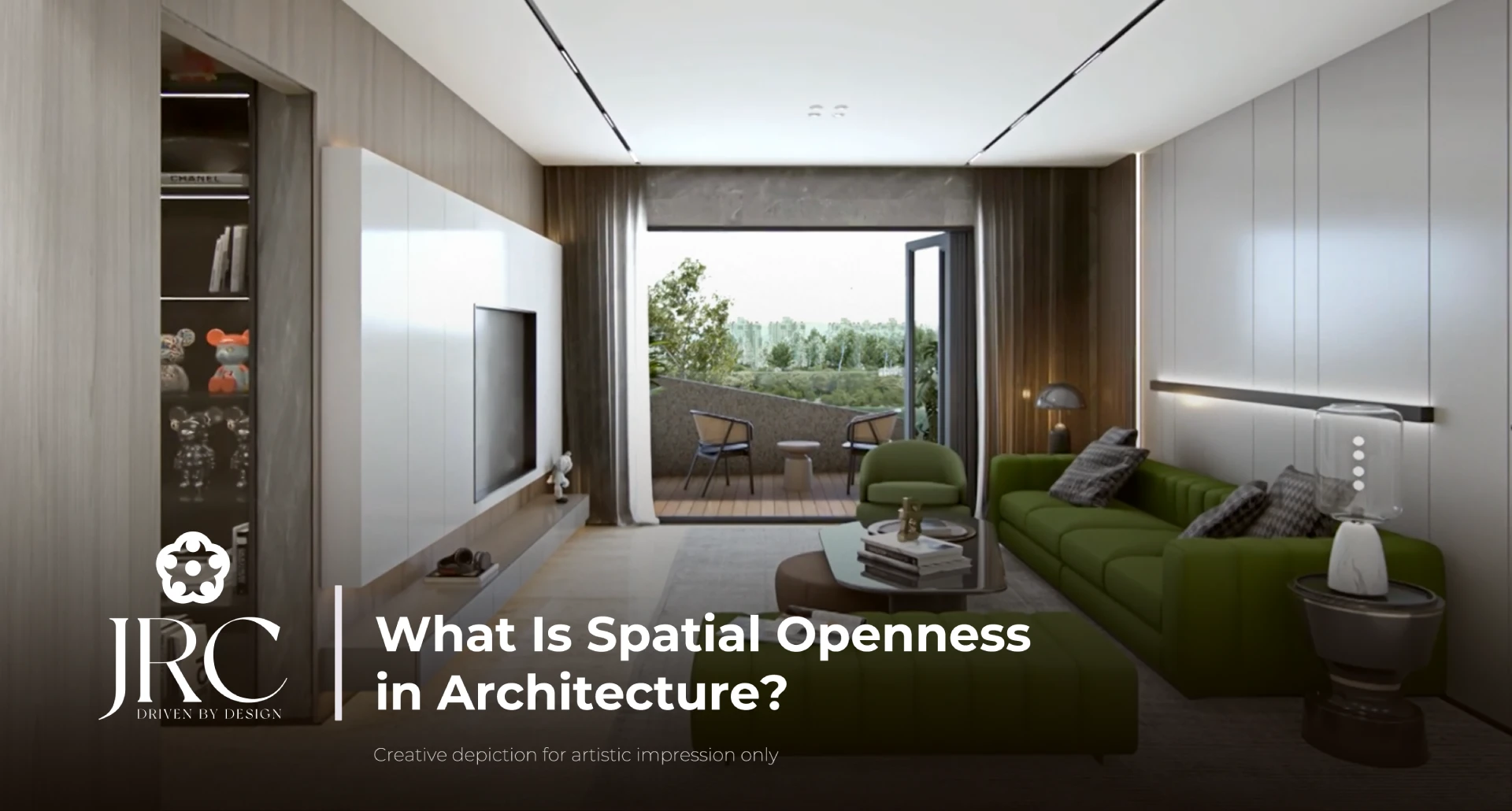
What Is Spatial Openness in Architecture?

Huskur’s Roadway Evolution: A New Era of Connectivity & Growth

Why Living with Fewer Neighbors Could Be the Best Decision You Make!

Big or Small? The Secret to Finding the Perfect-Sized Community!

How to Increase Property Value in Bengaluru: Key Factors

The Wellness Homes Trend Taking Over Bangalore

RERA Rules Every Bangalore Homebuyer Should Know in 2025

Whitefield or Sarjapur? The Answer Might Surprise You!

Sarjapura 2030 Swift City: The Growth Catalyst from KIADB

Minimalist vs Maximalist Homes: Which Design Style Suits You?

Beyond Four Walls: The Rise of Experience-Driven Living

The Future of Home Design: 2025 Trends in Luxury Architecture

What Makes a Home ‘High-Design’? The 5 Principles of Timeless Architecture