.webp)



To evaluate a luxury apartment on Sarjapur Road, compare location and connectivity, developer credibility, construction quality, apartment layouts, natural light and ventilation, amenities, open spaces, maintenance costs, legal approvals and long-term value. Visiting the property, reviewing specifications and comparing competing projects can help buyers make a more informed decision.
Buying a luxury apartment on or near Sarjapur Road is not only about choosing a well-known address or an attractive design. For many buyers, the real decision depends on how the home supports everyday life, from commute routes and natural light to privacy, amenities, construction quality, and long-term comfort.
This becomes especially important for buyers comparing homes near ORR and the Electronic City tech corridor. A project may look premium in a brochure, but a careful checklist helps you understand whether it can actually support your lifestyle for years.
For buyers considering luxury apartments on Sarjapur Road, location should be evaluated through daily travel routes. Check access to ORR, Electronic City tech corridors, Whitefield, HSR Layout, schools, hospitals, and everyday conveniences. A project may seem close on a map, but the actual travel experience during peak hours matters more.
Luxury is shown through the planning of the project itself rather than just through what material goes into each apartment.
Try to determine if the architectural style is timeless or fashion-driven. Think about the connection between the building and its surrounding landscape, how the movement of pedestrians has been considered, and whether the structure promotes the use of natural light, ventilation, and privacy. Projects where design plays a central role in planning tend to provide better quality of life for years to come.
Consistency of architecture, landscape, facilities, circulation, and functionality is characteristic of the most successful luxury projects.
One question that many buyers overlook is, what is the project density, and how many people will own this entire property?
Density plays an important role in the quality of everyday living. In projects where there are many apartments per square foot, the common spaces will become busier; there will be more need for facilities, traffic in the compound will increase, and there will be less privacy.
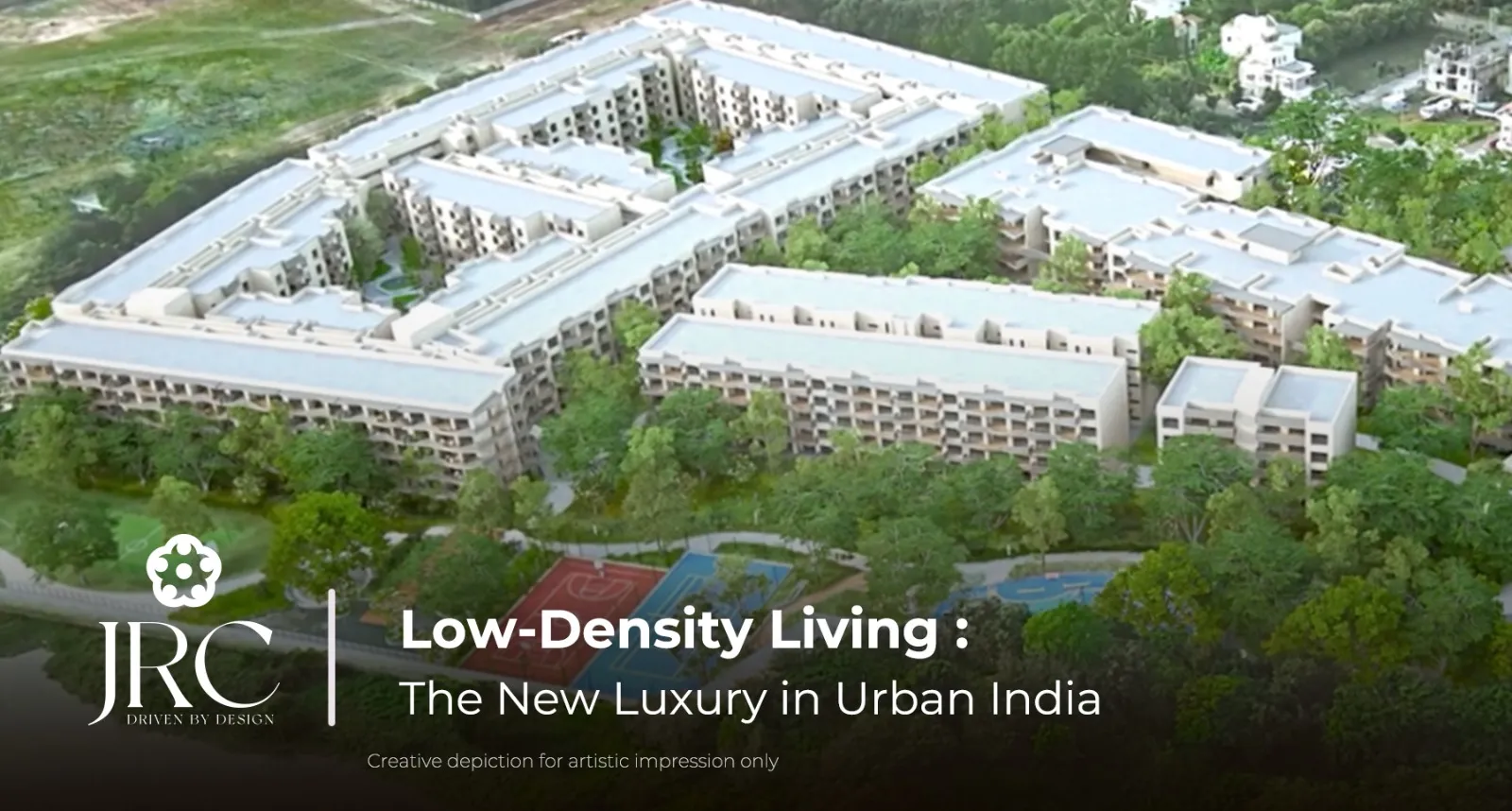
Buildings with low density offer ample open spaces, are quiet, have shorter queues when it comes to access to facilities, and are also exclusive. It is very important that while going through your luxury apartment buying checklist, you always keep in mind how many apartments will be constructed, how many towers there will be in the building, and how many apartments per floor.
Many buyers associate tall buildings with luxury, but height alone does not decide the quality of living.
High-rise apartments may offer better views, premium amenities, and a stronger skyline presence. However, they can also mean more dependence on lifts, higher resident density, and greater pressure on shared infrastructure.
Low-rise homes may offer more privacy, easier access, stronger connection with the landscape, and a closer community feel. Neither option is automatically better. The right choice depends on your lifestyle, family needs, and how well the project is planned.
A good apartment should function as well as it looks.
Make use of a luxury apartment inspection checklist when checking the room sizes, circulation in the space, arrangement of the furniture, storage spaces, the functionality of the balcony, kitchen arrangement, and the privacy of the bedrooms and living rooms. Larger corridors, larger foyers, utilitarian utility rooms, and good design may be more useful for practicality than making the overall space larger.
Imagine walking through your apartment and envisioning your family living in the apartment on a typical day. Your luxuries need to make your life simpler, not more complicated.
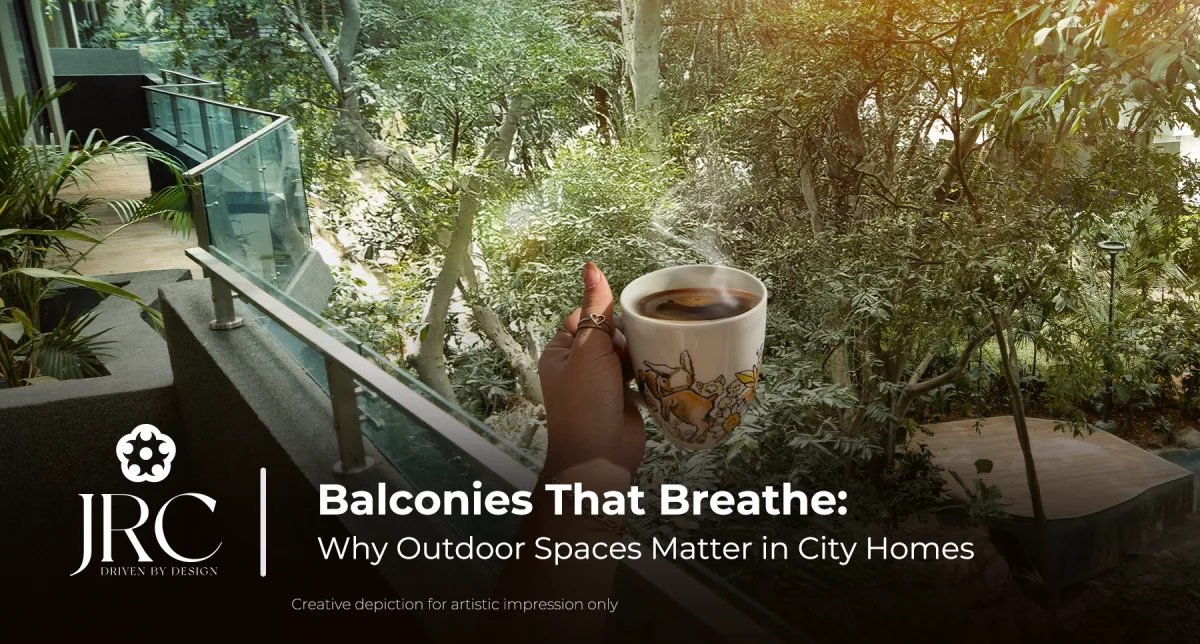
A good residential design would be one that uses natural light in an efficient way without making anyone uncomfortable or infringing on their privacy.
Go to the apartment during the daytime and observe the manner in which sunlight is made available in different rooms. Check if the positioning of windows allows for proper cross-ventilation without any obstructions from the surrounding buildings.
Light reduces the reliance on artificial lighting and adds to the ambience of the house. Proper ventilation ensures that one can live in the house comfortably and leads to a healthy environment within.
The aesthetic look alone should not influence your choice. The apartment quality checklist to evaluate it involves looking at the construction process and craftsmanship in detail.
Investigate the condition of the walls, ceiling, floor, windows, doors, sanitary fittings, plumbing, electrical connections, paint, tiling, drainage system, and waterproofing of the balcony. All windows and doors should be opened, and all taps and flushes checked to ensure that there are no cracks or any defects in finishing.
Quality projects need to show consistency in terms of both visual craftsmanship and actual function.
Luxury projects usually boast a wide range of facilities, but numbers mean nothing without quality and practicality.
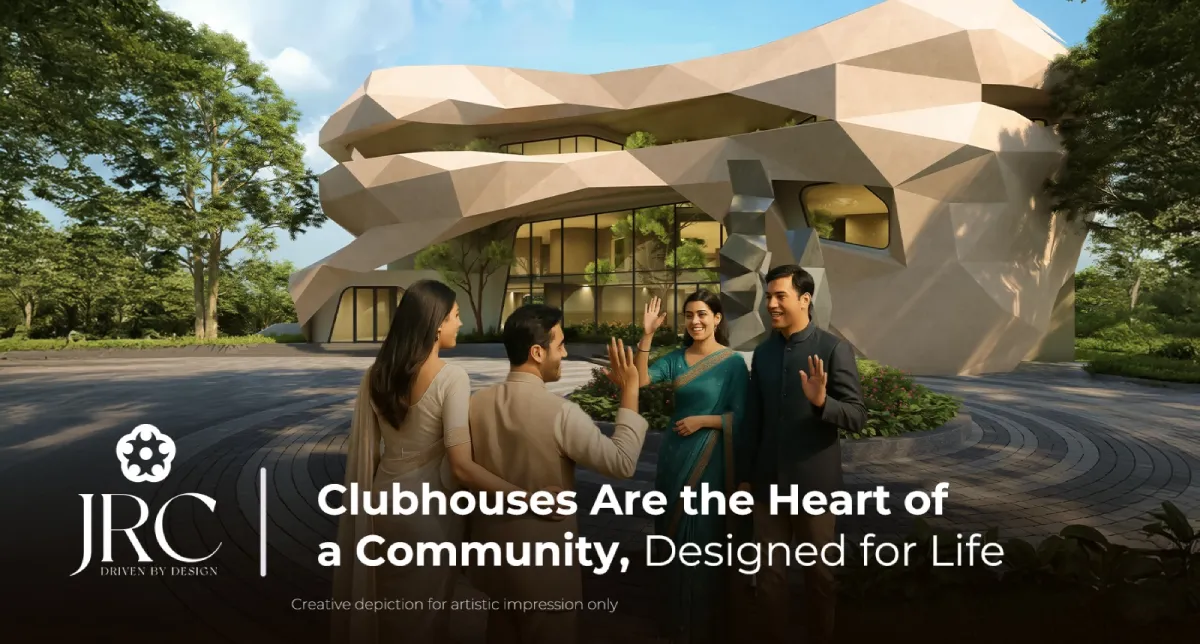
While considering the benefits of premium apartment features, ensure that the features suit your lifestyle. Thoughtful clubhouse designs, beautiful landscaping, exercise areas, walking tracks, playgrounds, and health and wellness centres may be worth more than an extensive list of recreational facilities that are not used often.
Pay attention to where the amenities are located within the development. Good design provides easy access without compromising privacy in your living spaces.
The quality of living in a residential development is greatly dependent on the common areas.
Walk around the entrance areas, lift lobbies, hallways, car parking facilities, internal roads, landscaped areas, and walkways. The size of the corridor, landscaping, lighting, easy navigation, and pedestrian and vehicle traffic all indicate good planning.
When performing an inspection, a luxury apartment inspection checklist should extend further than just the apartment and cover all common areas that the occupants use every day.
Most purchasers pay attention to the apartment but do not realise the importance of the operational aspects.
Make a checklist of the questions to ask before buying an apartment. The questions must include queries about maintenance costs, parking arrangements, electricity backup, water supply, waste disposal, security system, visiting arrangements, plans for development, residential association, and possession arrangements, if any.
Knowing the above practicalities can help you steer clear of any surprises after occupying the property.
All premium purchases need to have their legality checked properly.
There must always be an inclusion of checking the RERA registration, approved building plan, occupancy approval if any, title papers, completion papers, property tax documents, sales agreement, and parking papers in the apartment buying guide India. Legal due diligence helps safeguard not only your investment but your ownership rights as well.
The measure of luxury can finally be defined as how much fun it is to be in that house for many years.
Consider the potential of the apartment for adaptation to changing lifestyles and family configurations; consider the amount of social interaction within the community, yet also the amount of privacy, and finally consider whether the design will be outdated in the future. Well-designed apartments have timeless architecture, open spaces, sustainability, and functionality.
The apartment quality checklist must therefore include both the current needs and the comfort that you will have from the house as you progress through life.
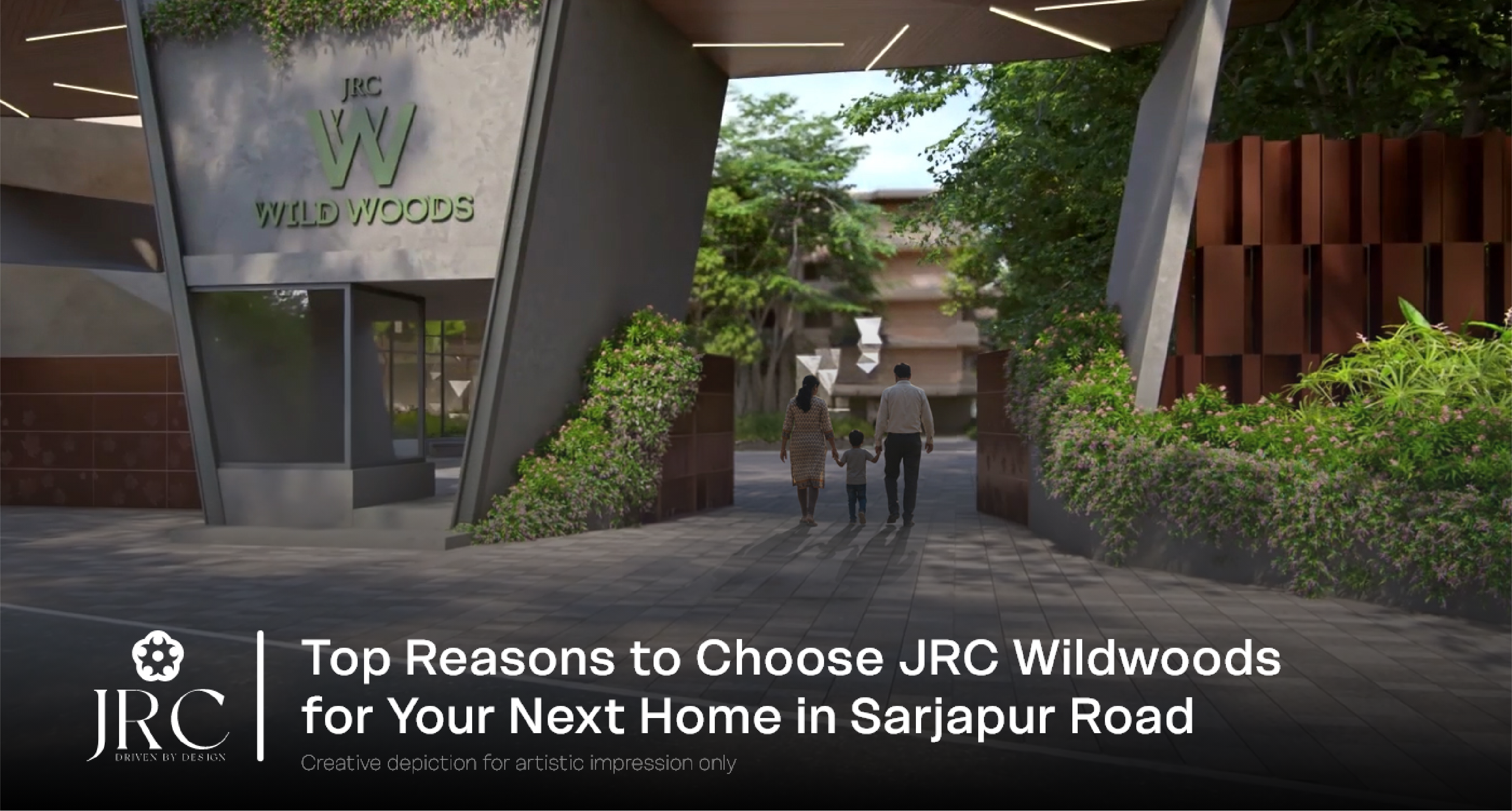
At JRC Projects, every home is planned around the belief that design should improve everyday living. This approach can be seen in JRC Wildwoods, located near Sarjapur Road, with access to ORR and Electronic City tech corridors.
The project brings together nature-inclusive planning, low-density living, natural light, ventilation, privacy, landscaped surroundings, and thoughtful spatial design. For buyers evaluating luxury apartments near Sarjapur Road, JRC wildwoods offers an exclusive low density community with only 48 homes per acre.
.webp)
Buying a luxury apartment near Sarjapur Road is a long-term decision. The right home should offer more than attractive interiors. It should support your commute, privacy, natural light, ventilation, amenities, construction quality, and everyday comfort.
For buyers looking near ORR and Electronic City tech corridors, a clear checklist helps separate surface-level luxury from homes that are planned for real living. When location, design, density, documentation, and liveability come together, the decision becomes much easier.

There should be no reason why it should be like that because while high-rises will offer a better view and more facilities, the low-rises will normally offer privacy, accessibility, contact with nature, and a more intimate environment. The effectiveness of the planning process is what really matters, not the building's height.
Project density is defined as the level of density of housing projects based on how many houses are developed in relation to the size of the land occupied. Project areas with high densities tend to be crowded compared to areas with low densities.
Test the quality of the walls, ceiling, flooring, plumbing system, electrical installation, windows, doors, waterproofing, tiling, painting, sanitary fittings, and workmanship using the luxury apartment inspection checklist.
The documents that need to be verified while buying an apartment include RERA registration, approved drawings, title deeds, occupancy approval (if required), completion certificate, sale deed, property tax papers, and parking allocation.
The importance of the location remains one of the most important things because the location influences accessibility, convenience, quality of the location, development, and desirability as a place of residence.
Facilities that are actually used by the residents are considered to be the most important, including a well-designed clubhouse, gym, green landscape, walking areas, kids' playground, swimming pool, and other secure community facilities.
This can be done by evaluating the architectural design, construction process, construction materials, common areas, landscaping, quality of construction, planning of the community, and functionality of the development.
The location, layout, quality of construction of the building, density of the project, lighting and ventilation, facilities, documentation, and maintenance are important factors apart from the basic design concept of the developer.

.webp)