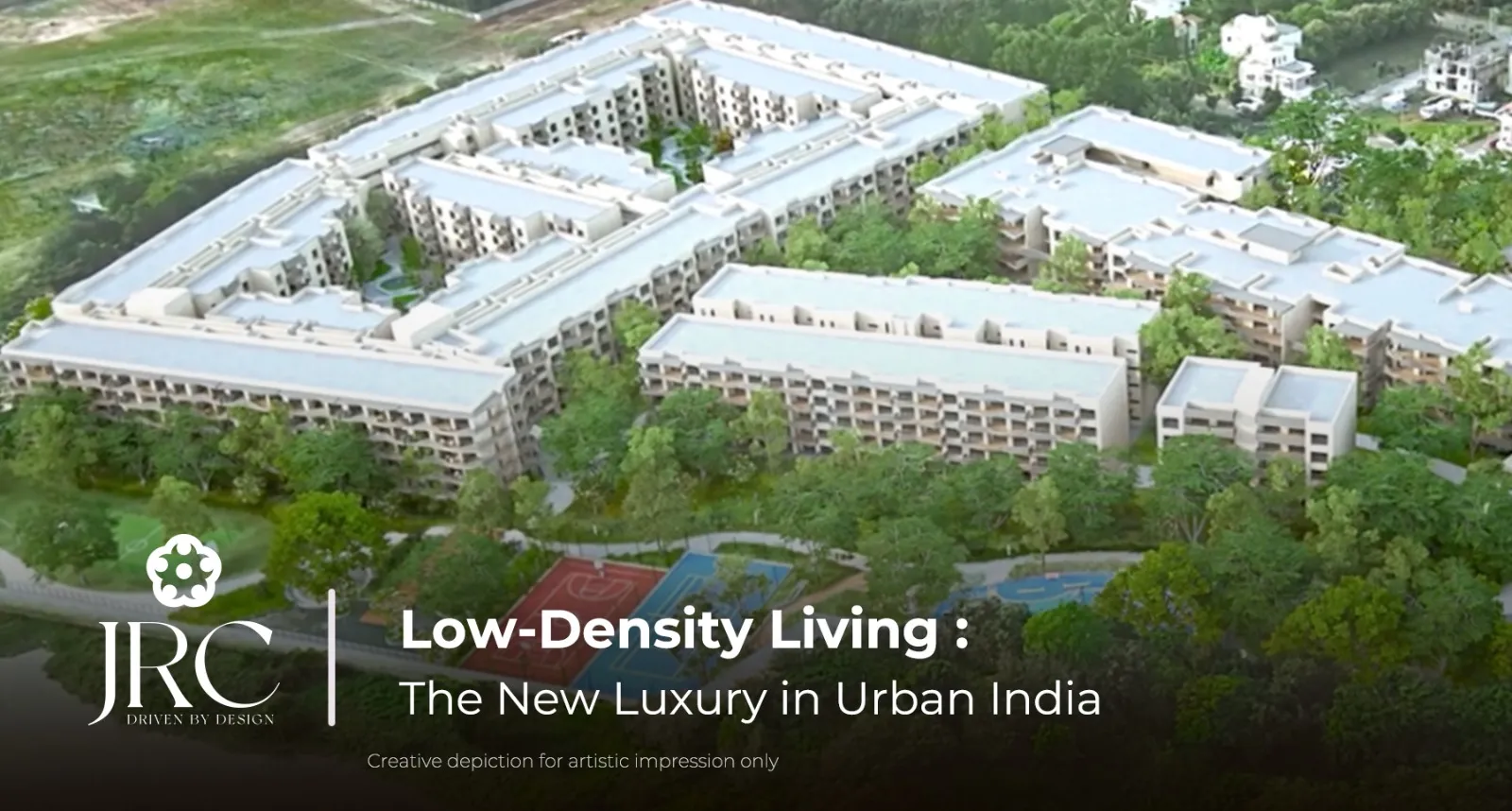

Low-Density Living: The New Luxury in Urban India

July 18, 2025

A Shift from More to Meaningful

As Indian cities grow denser, the real luxury is no longer square footage—it's space between homes. Low-density living in Bangalore is now one of the most sought-after residential trends, especially among high-intent buyers seeking privacy, wellness, and a deeper connection with nature.

Instead of cramped towers with 100+ units per acre, buyers are now gravitating towards communities that offer under 50 apartments per acre, providing breathing room, greenery, and peace.

Why Low-Density Homes Are Redefining Premium Living

  1. Privacy as a Lifestyle Standard
    Fewer units per floor and per acre naturally reduce noise, interruptions, and overcrowding. This creates a residential experience that feels exclusive and personal.
  2. Better Air, Better Health
    Lower density often goes hand-in-hand with more open green spaces and mature trees—resulting in better air quality, enhanced ventilation, and reduced heat islands in urban zones.
  3. Improved Community Living
    With fewer families sharing amenities, residents experience more meaningful engagement and less wear-and-tear on common spaces like clubhouses, pools, and parks.
  4. Smart Investment
    Properties in low-density zones retain their value better over time. The rarity of space and privacy makes these homes a premium product in the long run.

Key Features of Low-Density Apartments in Bangalore

  • 47 Apartments Per Acre or Less: Compared to 80–100 in typical high-rise formats.
  • Wider Roads and Courtyards: Promote walkability and ease of movement for all age groups.
  • Larger Balconies and Floor Plans: Homes are designed to integrate indoor-outdoor living.
  • Open-Air Amenities: With fewer users, facilities like swimming pools and gyms offer a more refined experience.
  • More Green Zone Per Family: Parks, tree cover, and buffer zones are more spacious and quieter.

Areas in Bangalore Known for Low-Density Projects

  • Gattahalli - Sarjapur Belt – Home to nature-centric, low-rise gated communities.
  • Whitefield Ext. & Varthur Road – Offering villa communities and boutique apartments.
  • Kanakapura Road & Uttarahalli – Known for plotted developments and wellness townships.

The Future Belongs to Space

In a city that’s constantly expanding upwards and outwards, choosing to live somewhere designed to breathe is a bold and beautiful decision. Low-density homes offer what high-rises cannot—quiet, connection, and quality.

As demand for health, peace, and mindful living continues to grow, low-density living stands out not just as a luxury, but as a necessity for the next generation of urban dwellers.

Sources & References

  • Indian Real Estate Trends Report (2023): https://housing.com
  • WHO Urban Health Study: https://www.who.int
  • Centre for Science and Environment, India: https://www.cseindia.org

FAQs

What makes a residential community feel peaceful despite being in a busy city?

A residential community feels peaceful when its master plan prioritises space, greenery, and privacy. At JRC Wildwoods, landscaped setbacks, green buffers, 4.5 acres of open spaces, and thousands preserved Ayurvedic trees soften the urban environment, offering residents a quieter and more nature-connected lifestyle.

Why are open spaces becoming more valuable than additional built-up areas?

Many buyers now prefer developments that dedicate more land to landscaped gardens, walking trails, and recreational spaces instead of maximizing construction. These areas improve everyday usability and create a more balanced living environment.

Why do premium homebuyers no longer judge luxury by apartment size alone?

Luxury today is measured by how a home feels to live in. Factors such as privacy, natural light, ventilation, greenery, thoughtful layouts, and peaceful surroundings often have a greater impact on everyday living than square footage alone.

Why is space becoming the biggest luxury in modern cities?

For many buyers, luxury is increasingly measured by the quality of the living environment rather than the size of the property. Communities that prioritise open spaces, lower residential density, and nature-led planning deliver greater privacy, comfort, and long-term liveability, qualities that define modern premium living.
Related Blogs

Architect-Designed Home vs. Developer Home: An Honest Framework for Sarjapura Road Buyers

The Definitive 2026 Guide to International Schools Along the Sarjapura Corridor

Why Sarjapura Road Has Become Bangalore's Defining Luxury Address

Top Reasons to Choose JRC Wildwoods for Your Next Home on Sarjapur Road

Discover the Best Nature Themed Apartments in Bangalore: A Guide to Green Living

Apartments Near Electronic City: Connectivity, Amenities & Lifestyle Guide

Ready to Move Apartments in Sarjapur: Pricing, Amenities & Investment Potential

The Rise of Nature-Themed Homes in Bangalore:

Low-Density Living: The New Luxury in Urban India

Looking for Investment? Ready-to-Move-In Is the Way Forward.

LakeSide Living in Bangalore: Beyond Just a View

Clubhouses Are the Heart of a Community, Designed for Life

Balconies That Breathe: Why Outdoor Spaces Matter in City Homes

Are You Settling for Less Space Than You Deserve?

What Is Spatial Openness in Architecture?

Huskur’s Roadway Evolution: A New Era of Connectivity & Growth

Why Living with Fewer Neighbors Could Be the Best Decision You Make!

Big or Small? The Secret to Finding the Perfect-Sized Community!

How to Increase Property Value in Bengaluru: Key Factors

The Wellness Homes Trend Taking Over Bangalore

RERA Rules Every Bangalore Homebuyer Should Know in 2025

Whitefield or Sarjapur? The Answer Might Surprise You!

Sarjapura 2030 Swift City: The Growth Catalyst from KIADB

Minimalist vs Maximalist Homes: Which Design Style Suits You?

Beyond Four Walls: The Rise of Experience-Driven Living

The Future of Home Design: 2025 Trends in Luxury Architecture

What Makes a Home ‘High-Design’? The 5 Principles of Timeless Architecture