Over the last decade, Sarjapura Road has undergone a remarkable transformation. What was once considered a practical residential location for IT professionals has steadily evolved into one of Bangalore's most sought-after luxury real estate destinations.
In the early 2010s, the area attracted homebuyers primarily because of its affordability, good schools, and easy access to major employment hubs. While these advantages still exist today, buyer expectations have changed significantly. Modern homebuyers are no longer looking only for a convenient location. They are paying closer attention to the quality of the living environment, the design philosophy behind a project, the amount of open space available, and the overall lifestyle a community can offer.
As a result, Sarjapura Road now commands a premium that reflects this shift in buyer preferences. To understand why demand continues to grow in this corridor, it is important to look at three key factors that continue to shape its appeal: access to leading international schools, connectivity to major IT hubs, and the growing demand for thoughtfully designed, low-density residential communities.
One of the strongest reasons families choose Sarjapura Road is its proximity to some of Bangalore's most respected international schools, including Inventure Academy (approximately 3.2 km away), The International School Bangalore (TISB) (around 4.1 km away), and Greenwood High International School (roughly 3.8 km away). Together, these schools offer globally recognized curricula including IB, IGCSE, CISCE, and CAIE, making the area especially attractive to families seeking international-standard education.
For many homebuyers, particularly returning NRIs and senior professionals who have experienced global education systems, access to quality schools is not simply a benefit. It is often one of the most important factors in the home-buying decision.
The convenience of having world-class educational institutions nearby adds long-term value to residential communities in the area. It also contributes to a stable rental market, as many families actively search for homes close to these schools. This creates consistent demand from tenants who are typically willing to pay premium rents for the right location.
Along with educational infrastructure, Sarjapura Road benefits from its strategic location between some of Bangalore's largest employment centres.
The Outer Ring Road corridor, which houses numerous global technology companies, is easily accessible from Sarjapura Road. Electronic City, another major technology and business hub, is also within convenient reach. For professionals working in these locations, the corridor offers a practical balance between work and home life.
This accessibility has made the area particularly popular among senior technology professionals, engineering leaders, product managers, and business executives. Many of these buyers earn between ₹35 lakh and ₹80 lakh annually, placing them in a segment that values lifestyle as much as convenience. At this stage of life, they are not simply looking for a home close to work. They are looking for a community that offers better planning, more open space, and a higher quality of everyday living, while remaining connected to their workplaces and their children's schools.
As incomes have grown and exposure to global living standards has increased, buyers have become more selective about the communities they choose. They want better planning, better design, more open space, and a stronger connection to nature. This shift in expectations is playing an important role in shaping the future of residential development along Sarjapura Road.
As demand for premium homes has increased, buyers have started looking beyond brochures filled with long lists of amenities. Instead, many are asking a more important question: how does the community actually feel to live in?
This is where low-density developments have begun to stand out.
In fact, many buyers searching for the best gated community on Sarjapura Road in 2026 are no longer comparing projects only on the basis of amenities or apartment size. They are paying closer attention to community density, architectural planning, green spaces, and the overall experience of living there.
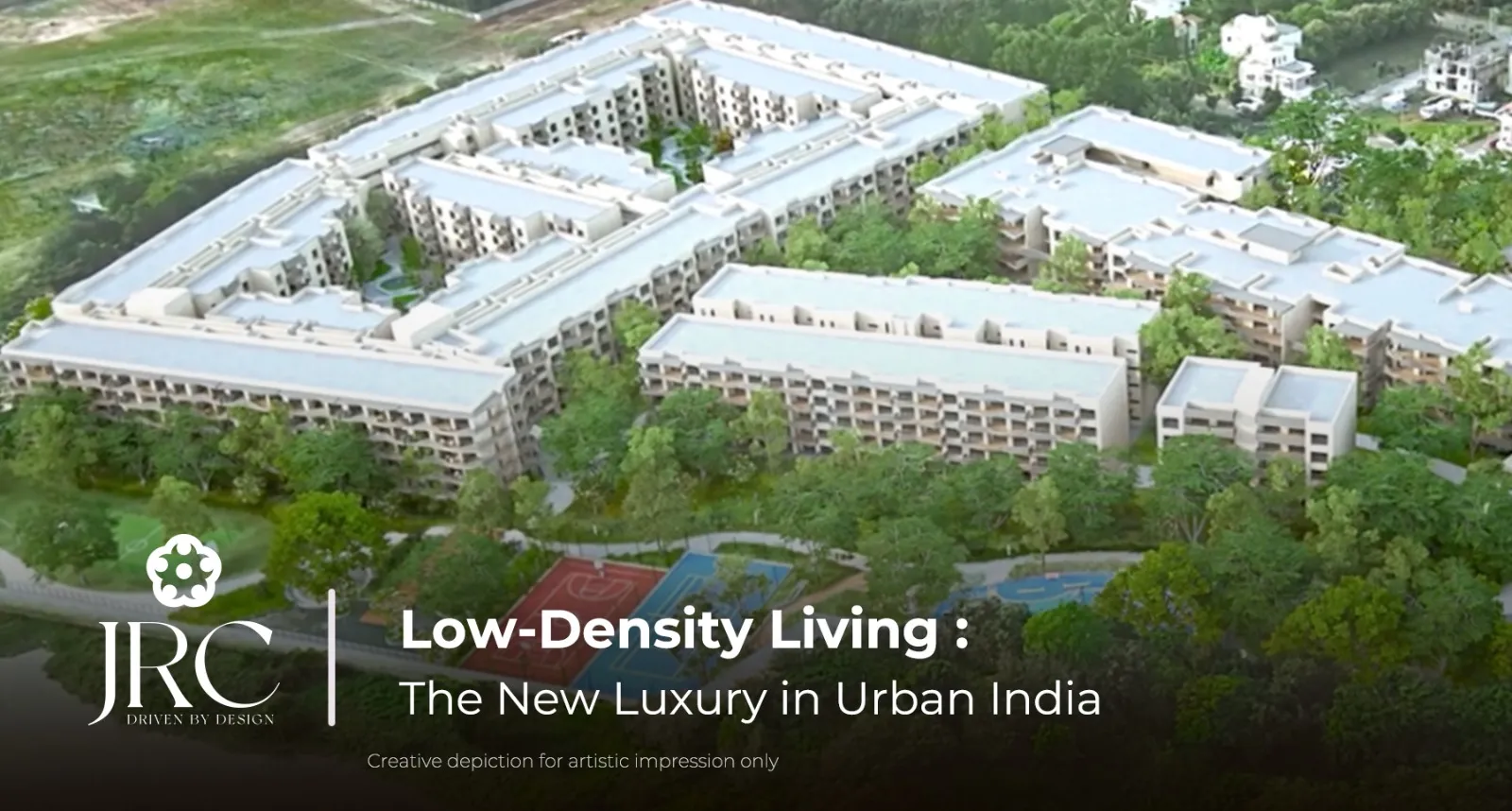
Many residential projects across Bangalore are built with hundreds or even thousands of homes within a single community. While these developments may offer extensive amenities, they often leave limited room for meaningful green spaces and a more peaceful living environment.
Low-density communities take a different approach. With fewer families sharing a larger amount of space, residents enjoy greater privacy, less congestion, more greenery, and a calmer atmosphere. The difference is often noticeable from the moment someone visits the property.
This growing preference has created strong demand for projects that prioritise thoughtful planning over maximum density. Buyers are increasingly willing to pay a premium for communities that offer a more balanced and comfortable living experience.
Another factor influencing buyer decisions is the quality of design itself.
Today's luxury homebuyers are paying closer attention to how a community is planned, not just how individual homes look. They want developments where architecture, landscaping, and open spaces work together to create a better living environment.
This is one area where architect-led developments have gained attention. When design is part of the development process from the beginning, decisions about open spaces, walkways, green areas, and community layouts tend to be more intentional.
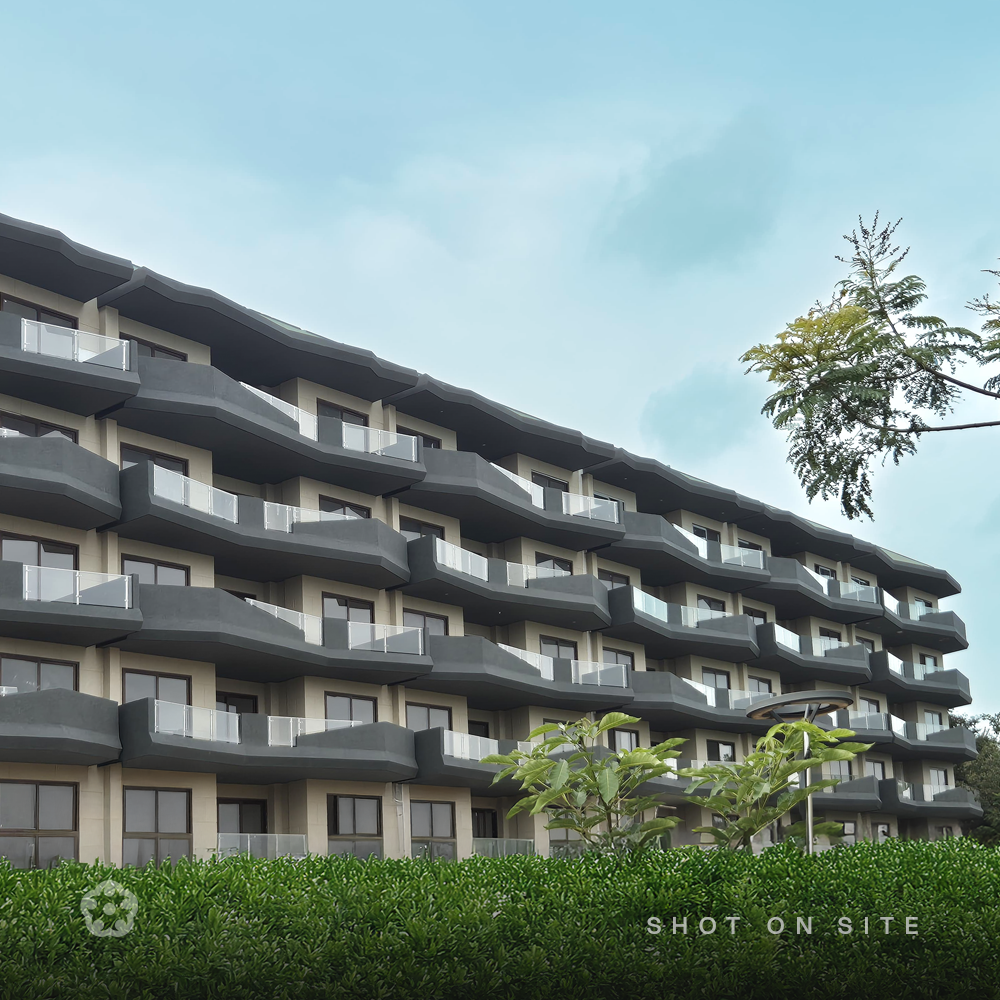
For example, JRC Projects, an architect-founded developer that has been building communities on Sarjapura Road since 2009, follows a low-density development philosophy by limiting each community to approximately 200 families. This approach allows more space for greenery, wider open areas, and a stronger connection between the built environment and the surrounding landscape.
Instead of treating green spaces as an afterthought, they become an integral part of the community's design. Residents benefit from better airflow, reduced noise levels, more shade, and a living environment that feels less crowded and more connected to nature.
These qualities may not always appear in a specification sheet, but they significantly influence how a community feels over time. As buyers become more aware of these differences, they are increasingly reflected in resale value and long-term demand.
For anyone considering a home purchase on Sarjapura Road in 2026, it is worth looking beyond location alone. Factors such as community density, green space allocation, builder philosophy, architectural involvement, and access to quality schools should all be part of the evaluation process. These elements often have a direct impact on both everyday living and long-term property value.
It is also important to understand how a project has been designed. A community that prioritizes open space, thoughtful planning, and a balanced living experience can offer advantages that remain valuable long after the initial purchase.
Sarjapura Road's rise as a premium residential destination is not the result of a single factor. It is the combination of strong educational infrastructure, excellent connectivity to major employment hubs, and a growing supply of better-designed residential communities.
As buyer expectations continue to evolve, projects that focus on quality design, lower density, and a stronger relationship with nature are likely to remain in demand. For many buyers, these qualities now define what they expect from the best gated community on Sarjapura Road in 2026, making thoughtful planning just as important as location. In a market where convenience is no longer enough, communities that deliver a genuinely better living experience are becoming the defining feature of luxury living on Sarjapura Road.
Is Sarjapura Road a good investment in 2026?
Sarjapura Road has appreciated roughly 75% between 2021 and 2026, driven by structural factors: international school density, IT corridor access, and constrained supply of low-density architect-led product, rather than short-term sentiment, which supports its case as a durable investment corridor.
How much have Sarjapura Road property prices appreciated?
Residential properties on Sarjapura Road have moved from an average of ₹1.2 Crore in 2021 to approximately ₹2.1 Crore in 2026, around 75% over five years, outpacing much of the broader Bangalore luxury market.
What makes a low-density community different from a standard gated community?
A low-density community caps homes per acre deliberately, often around 200 families versus 800–1,200 in standard projects; so trees, green corridors, and amenities are structural design decisions rather than regulatory minimums diluted by volume.
How far is Sarjapura Road from Electronic City and the Outer Ring Road?
Sarjapura Road sits roughly 15–20 minutes from Electronic City and 20–30 minutes from the Outer Ring Road (ORR) IT corridor under typical traffic, making it commutable to both of Bangalore's major technology employment clusters.