

The concept of luxury in architecture is continuously evolving, driven by advancements in technology, sustainability efforts, and changing lifestyle preferences. As we enter 2025, luxury homes are no longer just about opulence—they are intelligent, wellness-focused, and deeply connected to nature. These new-age designs emphasize functionality without compromising aesthetics, creating living spaces that are both aspirational and practical.
In this blog, we explore the most influential trends shaping luxury architecture in 2025, offering insights into the next generation of home design.
The integration of artificial intelligence (AI) into home design has taken a leap forward in 2025. Luxury homes are now equipped with AI-driven automation systems that learn and adapt to residents’ preferences, optimizing comfort and energy efficiency.
🔹 Voice-Activated & Predictive Automation: AI-enabled systems control lighting, temperature, and security using voice commands or predictive analytics. These systems analyze user behavior to anticipate needs, such as adjusting lighting based on the time of day or suggesting temperature changes based on past preferences.
🔹 Health Monitoring & Smart Kitchens: Future-ready homes integrate AI health assistants, which monitor air quality, track sleep patterns, and recommend wellness routines. AI-powered kitchens, equipped with smart refrigerators and robotic chefs, suggest meal plans based on dietary needs.
Fact: The global smart home market is expected to reach $170 billion by 2025, driven by increasing consumer demand for connected living spaces (Statista, 2024).
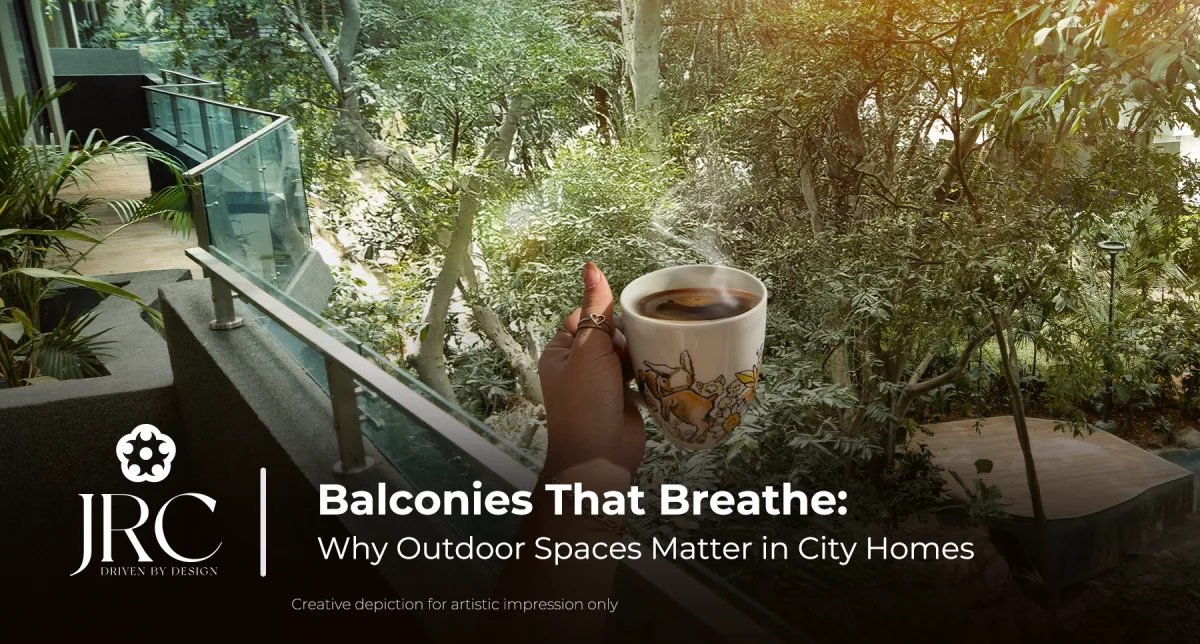
Biophilic design, which integrates natural elements into architectural spaces, has become a defining feature of luxury homes in 2025. It enhances well-being, productivity, and overall mental health by fostering a deeper connection with nature.
🔹 Green Walls & Vertical Gardens: Indoor gardens and living walls improve air quality while adding aesthetic value.
🔹 Natural Light Optimization: Floor-to-ceiling glass walls, skylights, and open courtyards allow for maximum sunlight, reducing dependency on artificial lighting.
🔹 Sustainable Landscaping: Native plant gardens, water features, and rooftop greenery help regulate indoor temperatures and promote biodiversity.
Historical Insight: The concept of biophilic architecture can be traced back to Frank Lloyd Wright’s organic architecture principles in the early 20th century. Modern architects have expanded these ideas, incorporating advanced sustainability measures.
Sustainability is no longer a niche concern—it’s an integral aspect of high-end living. In 2025, net-zero and passive homes are the gold standard for luxury architecture, designed to produce as much energy as they consume.
🔹 Solar & Geothermal Integration: Solar panels, geothermal heating, and energy storage solutions enable self-sufficient homes.
🔹 High-Performance Insulation & Smart Glass: Advanced materials like vacuum-insulated panels and electrochromic glass minimize energy waste.
🔹 Rainwater Harvesting & Greywater Recycling: Water conservation technologies reduce dependency on external water sources.
Fact: The global market for energy-efficient homes is expected to grow by 7.4% annually, reaching $155 billion by 2025 (Allied Market Research, 2024).
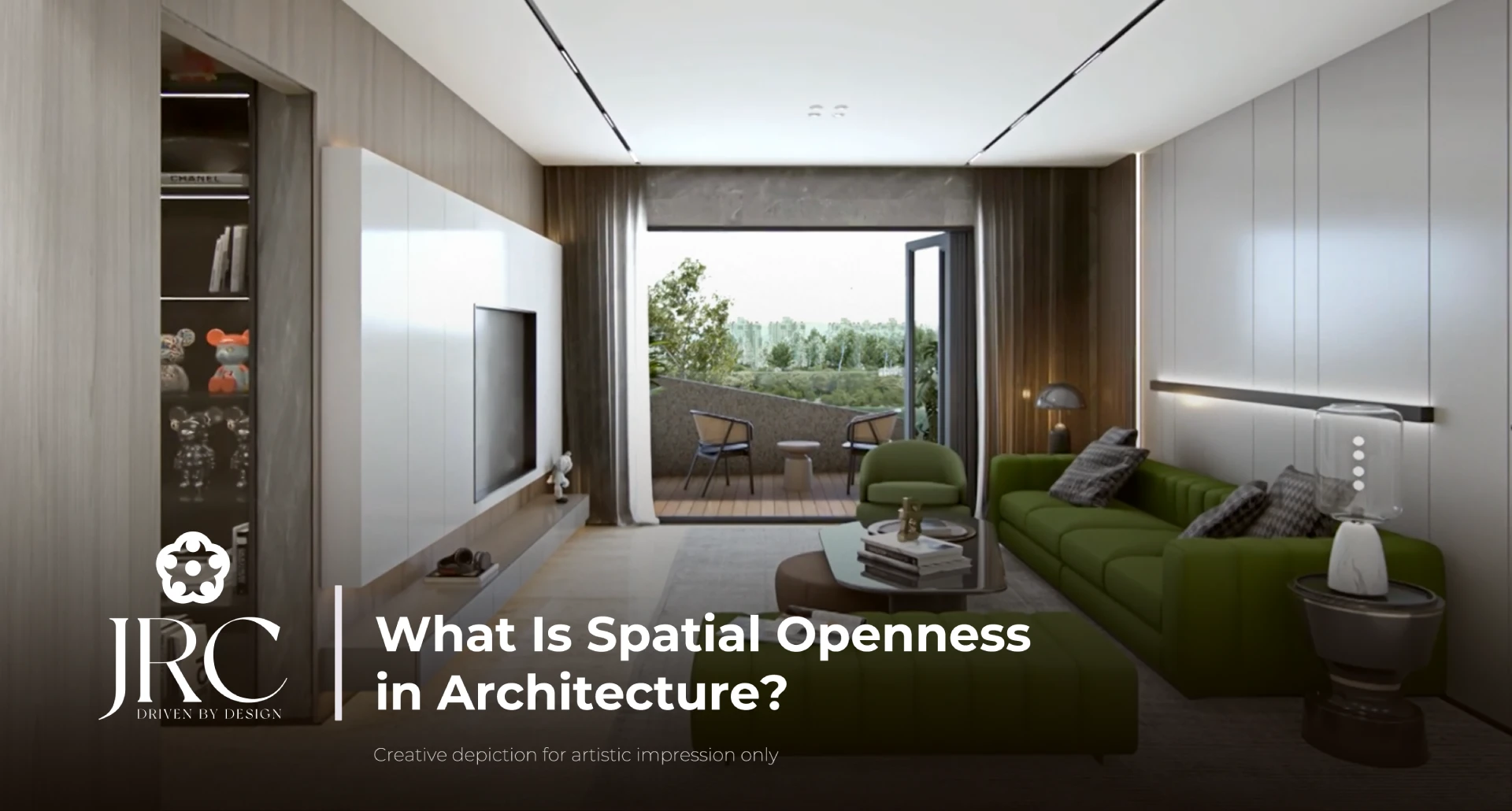
Luxury homes in 2025 embrace minimalist design, characterized by clean lines, open spaces, and multifunctional layouts.
🔹 Modular Construction: Prefabricated and modular housing techniques are gaining traction, offering faster construction times with lower environmental impact.
🔹 Adaptive Interiors: Movable walls, convertible furniture, and hidden storage solutions maximize space efficiency.
🔹 High-Quality Natural Materials: Stone, wood, and glass dominate luxury interiors, offering a timeless aesthetic while reducing environmental footprint.
Historical Insight: Minimalism in architecture can be traced back to the Bauhaus movement in the 1920s. Today, this principle is being redefined with smart materials and adaptable designs.
Wellness architecture is at the forefront of luxury home design, with residences designed to enhance physical and mental health.
🔹 Home Spas & Cold Plunge Pools: Hydrotherapy features, infrared saunas, and spa-like bathrooms promote relaxation.
🔹 Soundproofing & Circadian Lighting: Homes are designed with acoustic treatments and lighting that mimics natural daylight cycles, improving sleep quality.
🔹 Air Purification & Aromatherapy Systems: Advanced HVAC systems with HEPA filters and aromatherapy diffusion create a healthier indoor environment.
Fact: Wellness real estate is projected to be a $580 billion industry by 2025, with increasing demand for homes that support holistic health (Global Wellness Institute, 2024).
As technology advances, so do concerns about privacy and security. Luxury homeowners in 2025 prioritize cutting-edge security solutions.
🔹 AI-Powered Surveillance: Smart security systems use facial recognition, biometric access, and predictive AI to enhance safety.
🔹 Faraday Cages & Smart Glass: High-end residences are incorporating electromagnetic shielding (Faraday cages) to prevent digital intrusions.
🔹 Underground Safe Rooms & Panic Suites: Some ultra-luxury homes feature hidden security suites with emergency supplies and secure communication systems.
Fact: The global home security market is expected to surpass $78 billion by 2025, fueled by AI-driven solutions (Markets and Markets, 2024).
The luxury homes of 2025 are not just about lavish interiors—they are intelligent, sustainable, and wellness-oriented. These trends indicate a shift towards homes that enhance the quality of life, merging design with purpose.
Whether you are an architect, homeowner, or investor, staying ahead of these trends will ensure your space remains innovative and timeless.

Materials such as responsibly sourced wood, natural stone, high-performance glass, and energy-efficient insulation improve durability while reducing energy consumption and environmental impact. They also help create homes that remain comfortable throughout the year.
Wellness-focused homes are shaping residential design in 2026 through better indoor air quality, abundant natural daylight, improved cross-ventilation, and stronger connections to nature, design choices that support both physical and mental well-being rather than relying on amenities alone.
A net-zero home is designed to produce as much energy as it consumes over time. It typically combines solar energy, high-performance insulation, efficient building materials, and energy-saving technologies to reduce environmental impact and long-term operating costs.
Biophilic architecture connects homes with nature through features such as natural light, indoor plants, open courtyards, green walls, and sustainable landscaping. This approach promotes well-being while creating healthier and more comfortable living spaces.
Modern luxury homes are integrating AI-powered automation to improve comfort, convenience, and energy efficiency. Smart systems can manage lighting, climate, security, and entertainment while adapting to homeowners' daily routines.